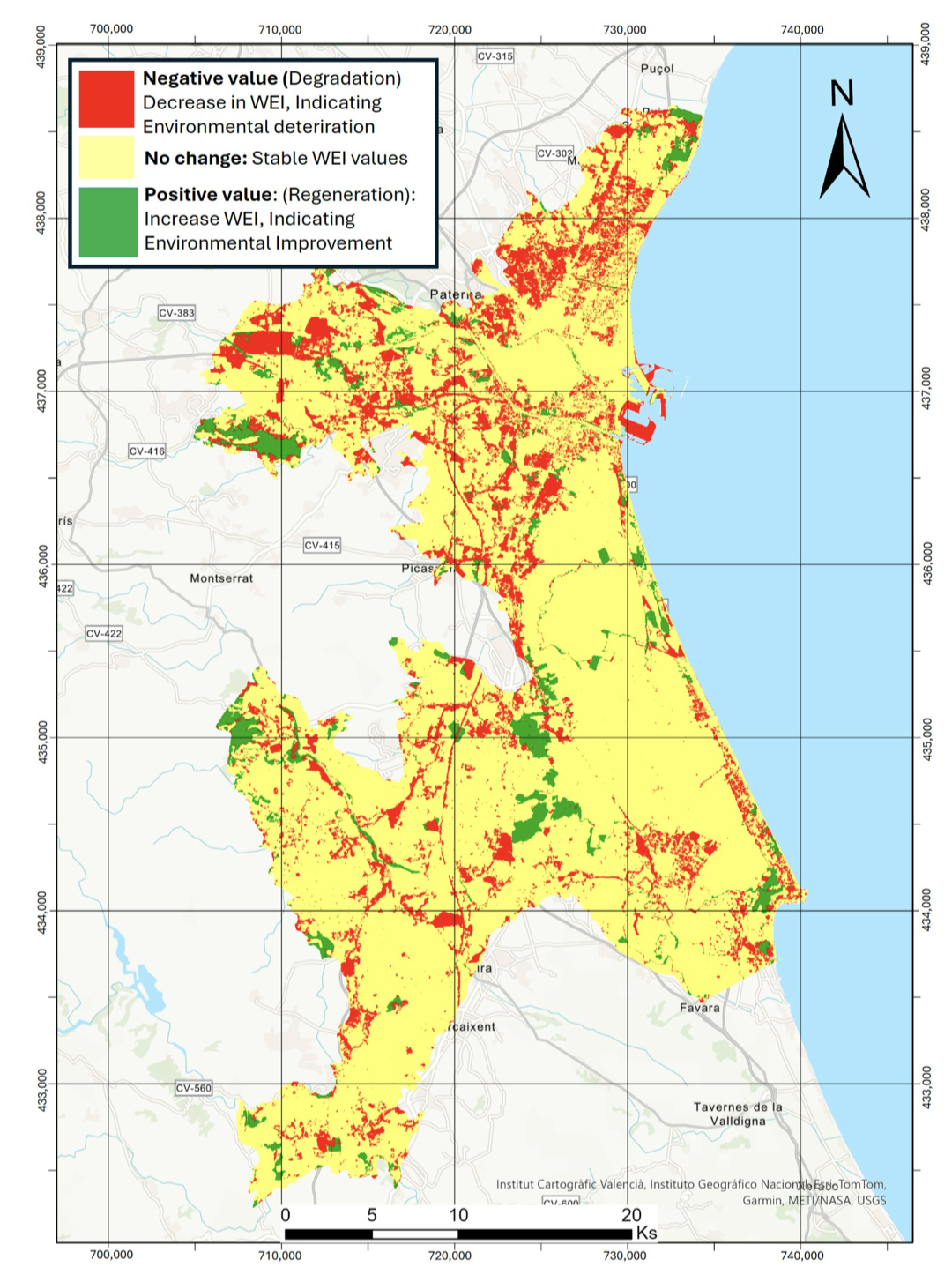
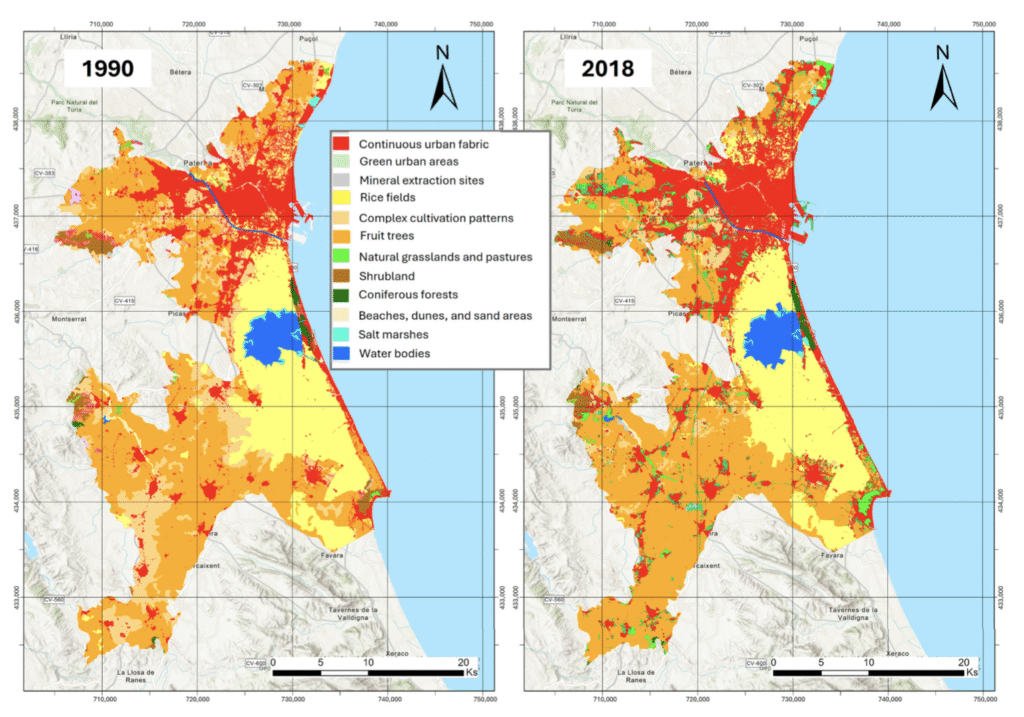
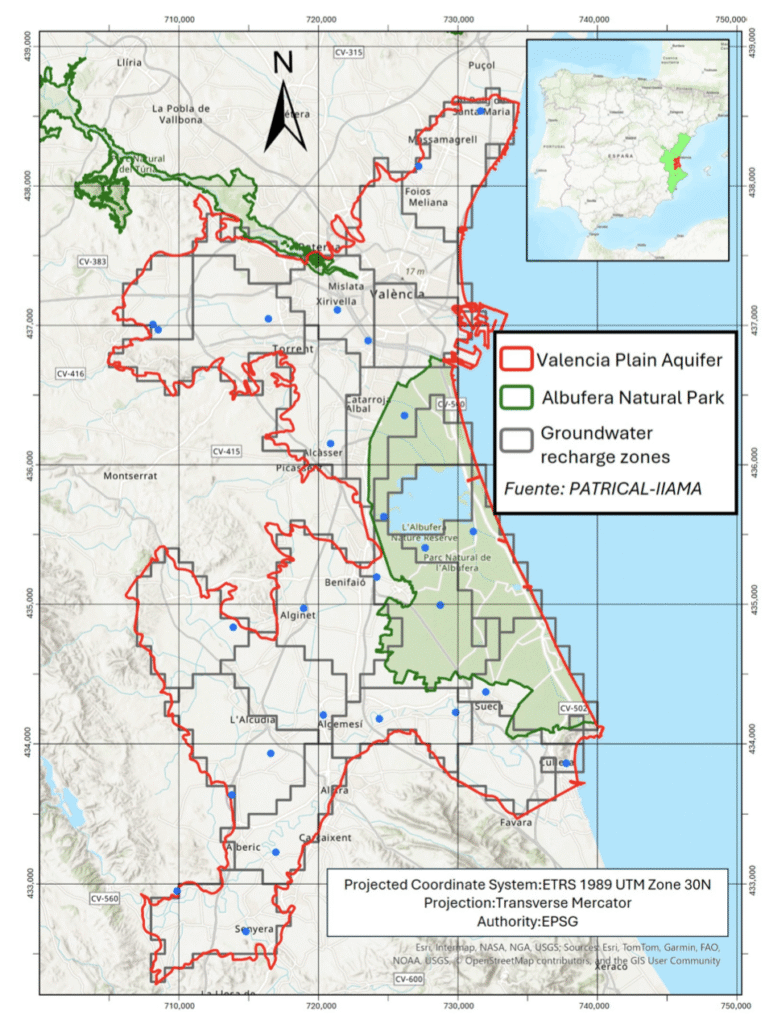
Researchers from the Universitat Politècnica de València (UPV) and Pablo de Olavide University (Seville) have published an alarming study highlighting the environmental deterioration of the Valencia Plain aquifer system due to intense urban expansion over recent decades. The work, published in the journal Sustainability, applies an innovative methodology based on the Weighted Environmental Index (WEI) to quantify the impact of land-use changes between 1990 and 2018.
The results show that the urban surface area of the Valencia Plain increased by 70%, while traditional agricultural land, especially rainfed crops, decreased by over 59%. Consequently, the region’s environmental quality, measured by the WEI, fell by 9.2%, indicating a significant loss in the capacity to deliver essential ecosystem services, such as aquifer recharge, biodiversity conservation, and climate regulation.
 The study also warns of the negative impacts of urban encroachment on the Albufera Natural Park, one of the most ecologically valuable wetlands in the Mediterranean. The combination of urban growth, agricultural intensification, and inadequate spatial planning has reduced the park’s ecological integrity and exacerbated problems such as water pollution and habitat fragmentation.
The research team, led by Dr. Javier Rodrigo-Ilarri and Dr. María-Elena Rodrigo-Clavero, advocates for urgent measures to mitigate these impacts, including:
– The protection of peri-urban agricultural areas, especially traditional systems like the Huerta de Valencia
– The implementation of nature-based solutions to restore degraded ecosystems
– The integration of ecological criteria into urban and territorial planning
– Improved flood risk management, especially in light of recent extreme weather events
 The study demonstrates the usefulness of combining CORINE Land Cover and World Settlement Footprint satellite data to achieve high-resolution environmental assessments. The authors also underline the potential of the WEI as a decision-support tool for sustainable land management in Mediterranean metropolitan regions facing high anthropogenic pressure.
The research forms part of the dissemination activities of the Erasmus+ LESLIE project, which promotes innovative approaches to environmental education and land management.
For more information, the full article is available in open access:
👉 Full access to the paper in ResearchGate
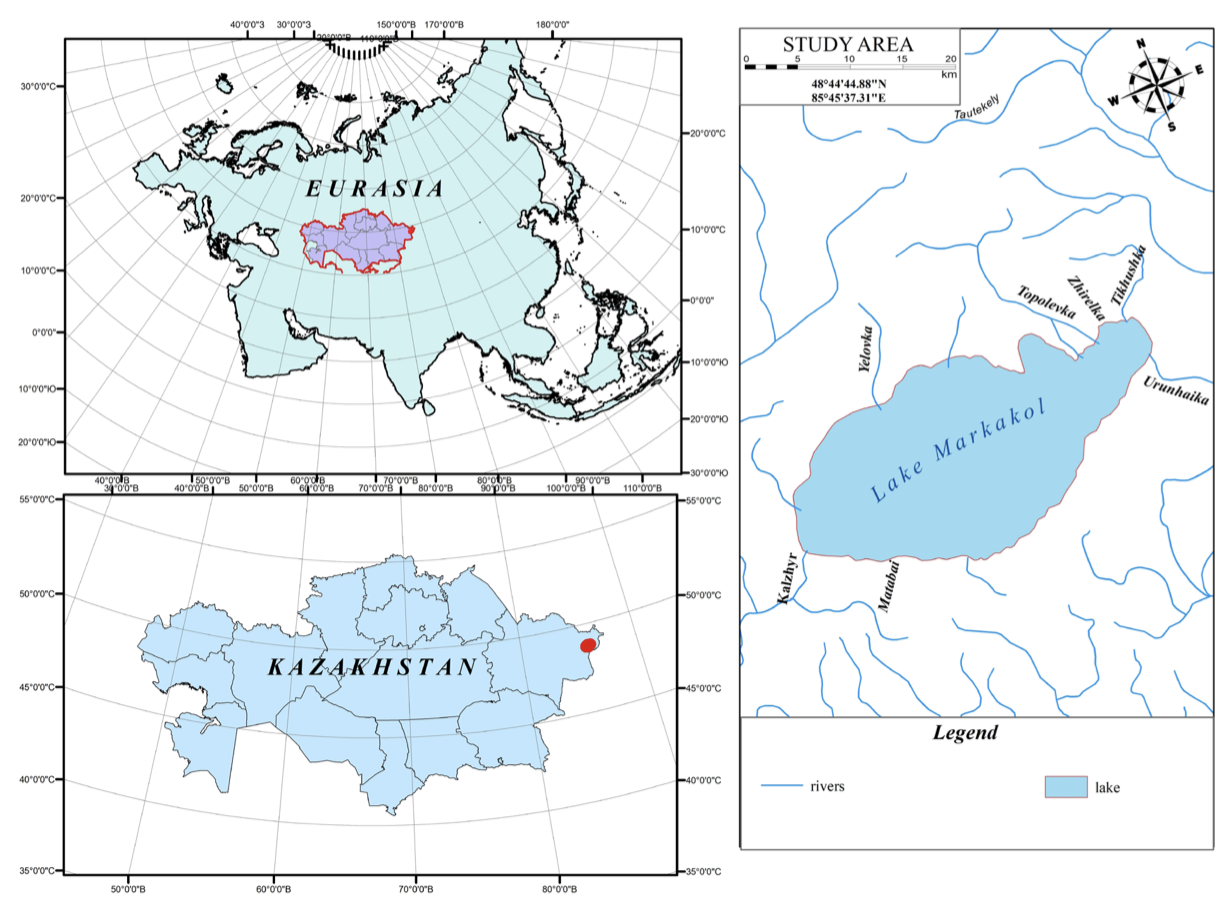
 Researchers from the Department of Meteorology and Hydrology, Faculty of Geography and Environmental Sciences, Al-Farabi Kazakh National University, Almaty, Universitat Politècnica de València (UPV), and other Kazakh institutions have published this joint research study which presents the first centimeter-scale, high-resolution bathymetric model of Lake Markakol (eastern Kazakhstan), generated using advanced hydroacoustic and geospatial techniques.
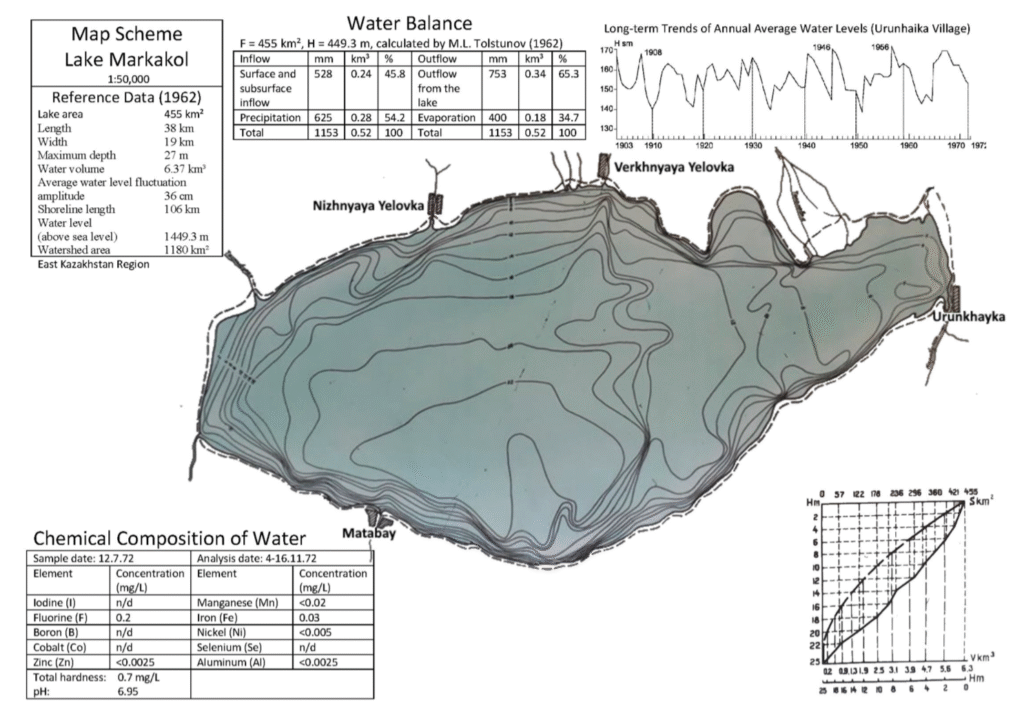
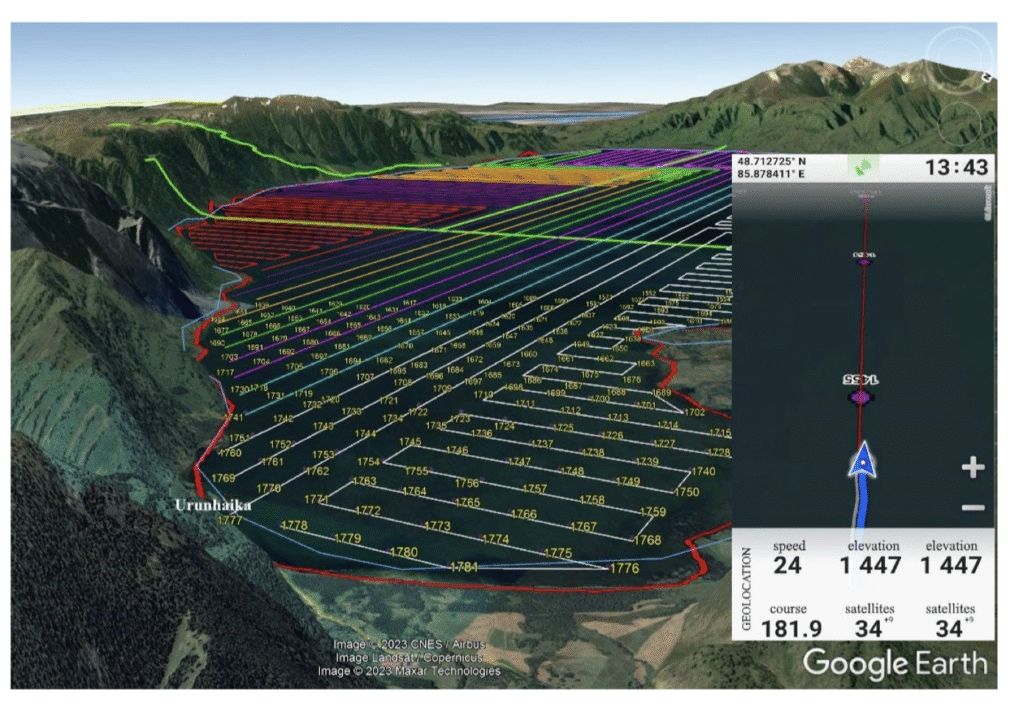 The primary objective was to reassess key morphometric parameters—surface area, depth, volume, and shoreline configuration—more than six decades after the only existing survey from 1962. High-density depth data were acquired with a Lowrance HDS-12 Live echo sounder, achieving vertical precision of ±0.17 m, and processed using ReefMaster and ArcGIS to produce a three-dimensional, hydrologically correct model of the lake basin. Compared with archival data, results show that while the surface area (455.365 ± 0.005 km 2 ), length (38.304 ± 0.002 km), and width (19.138 ± 0.002 km) have remained stable, the maximum depth is lower (24.14 ± 0.17 m vs. 27 m), and the total water volume is slightly higher (6.667 ± 0.025 km 3 vs. 6.37 km 3 ). These differences highlight both the limitations of historical lead-line surveys and the enhanced accuracy of modern hydroacoustic and GIS-based methods.
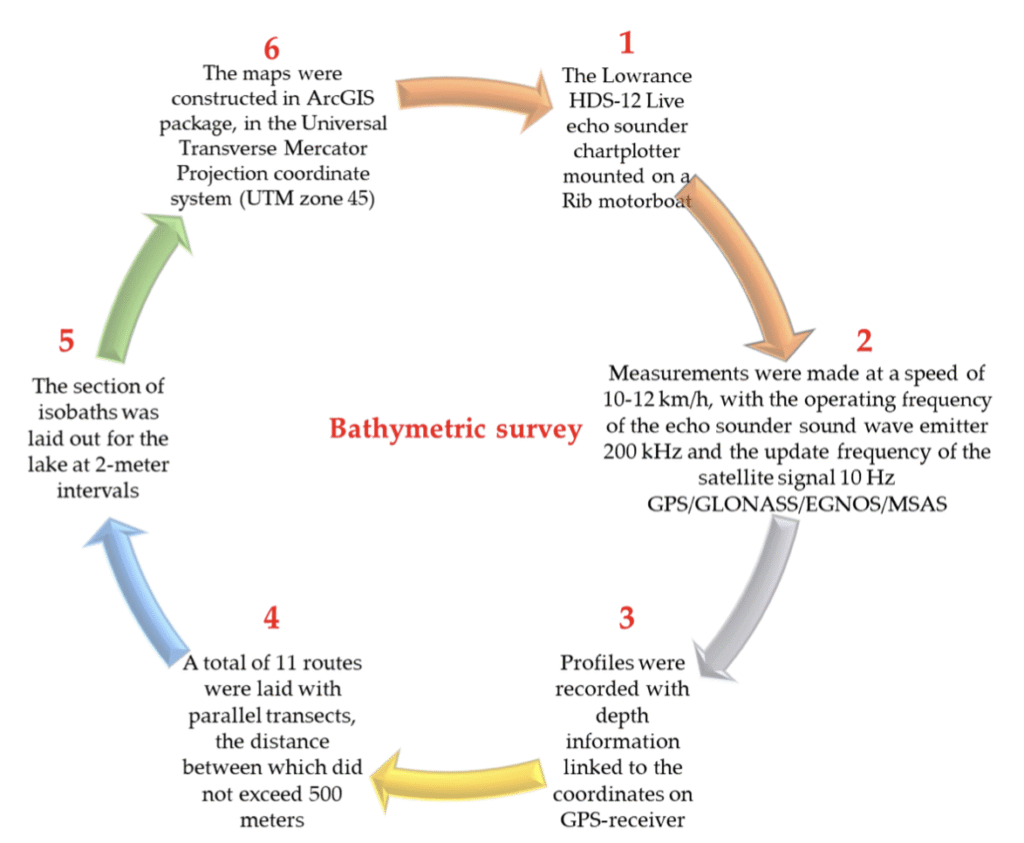 The workflow developed here is transferable to other remote alpine lakes, providing an invaluable baseline for limnological research, ecological assessment, hydrodynamic modeling, and long-term water resource management strategies in data-scarce mountain regions.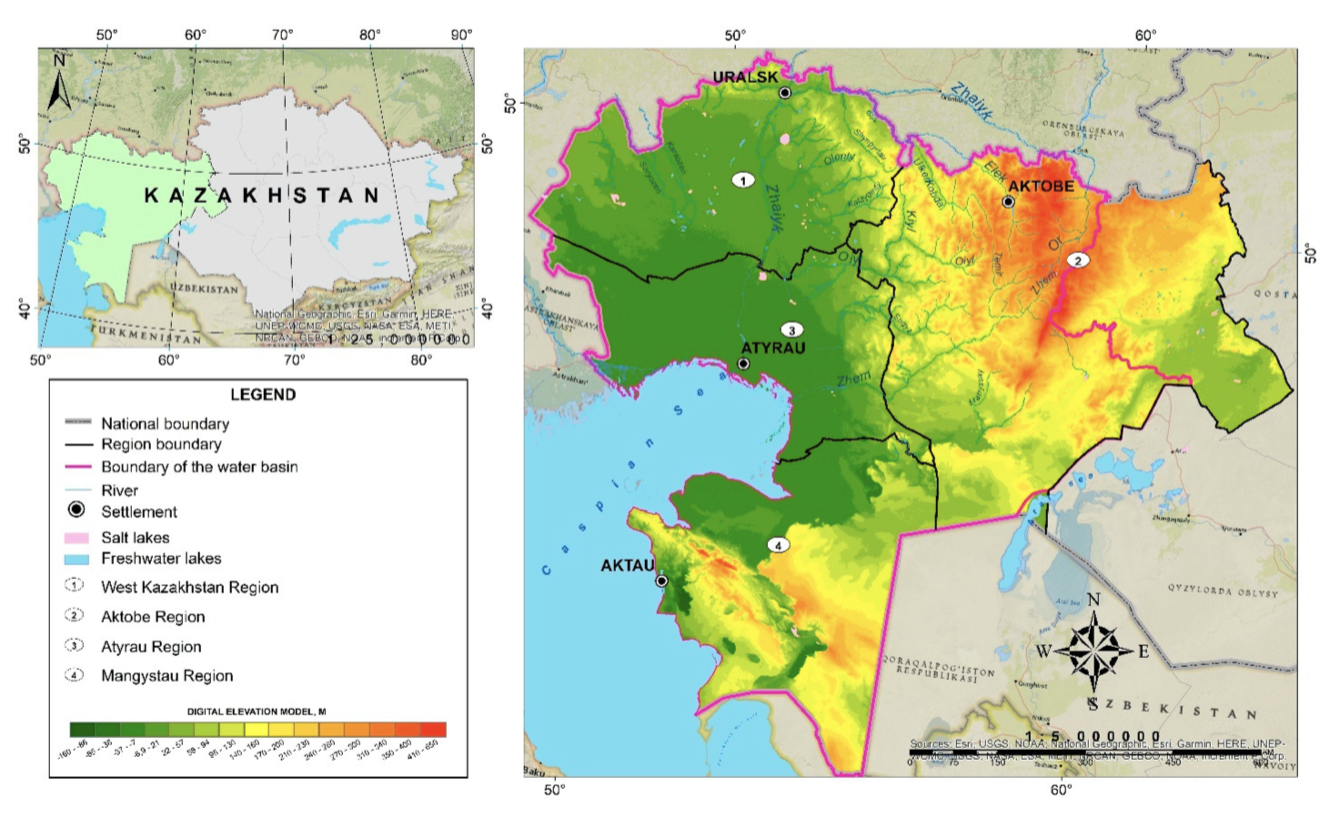
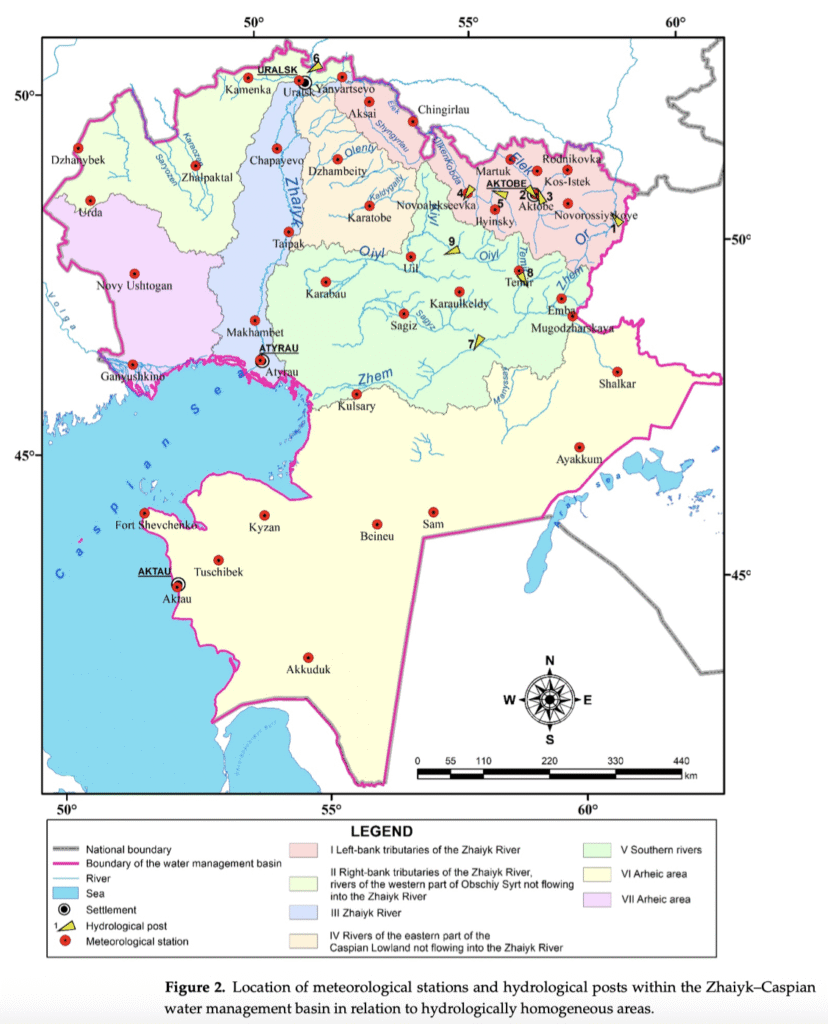 The analysis covers three future time horizons: 2040 (2031–2050), 2060 (2051–2070), and 2080 (2071–2090), under two greenhouse gas concentration scenarios: SSP3-7.0 (moderately high emissions) and SSP5-8.5 (high emissions). The results reveal a pronounced seasonal contrast in the projected hydrological response. During the winter low-water period, a steady increase in minimal runoff is projected for all rivers, with the most significant changes observed for the Or, Zhem, Temir, and Shagan rivers. This increase is primarily driven by higher winter precipitation, increased thaw frequency, and enhanced infiltration recharge. Conversely, despite modest increases in summer–autumn precipitation, minimal runoff during the summer–autumn low-water period is projected to decline significantly, particularly in the southern basins, due to elevated evapotranspiration rates and soil moisture deficits associated with rising air temperatures.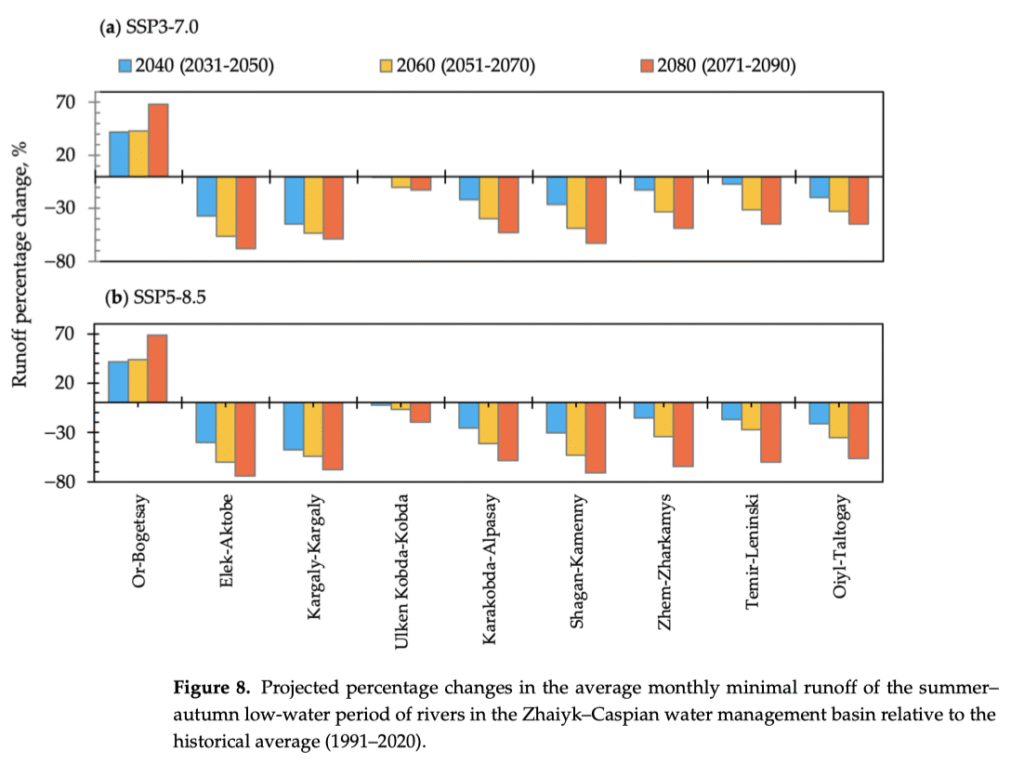
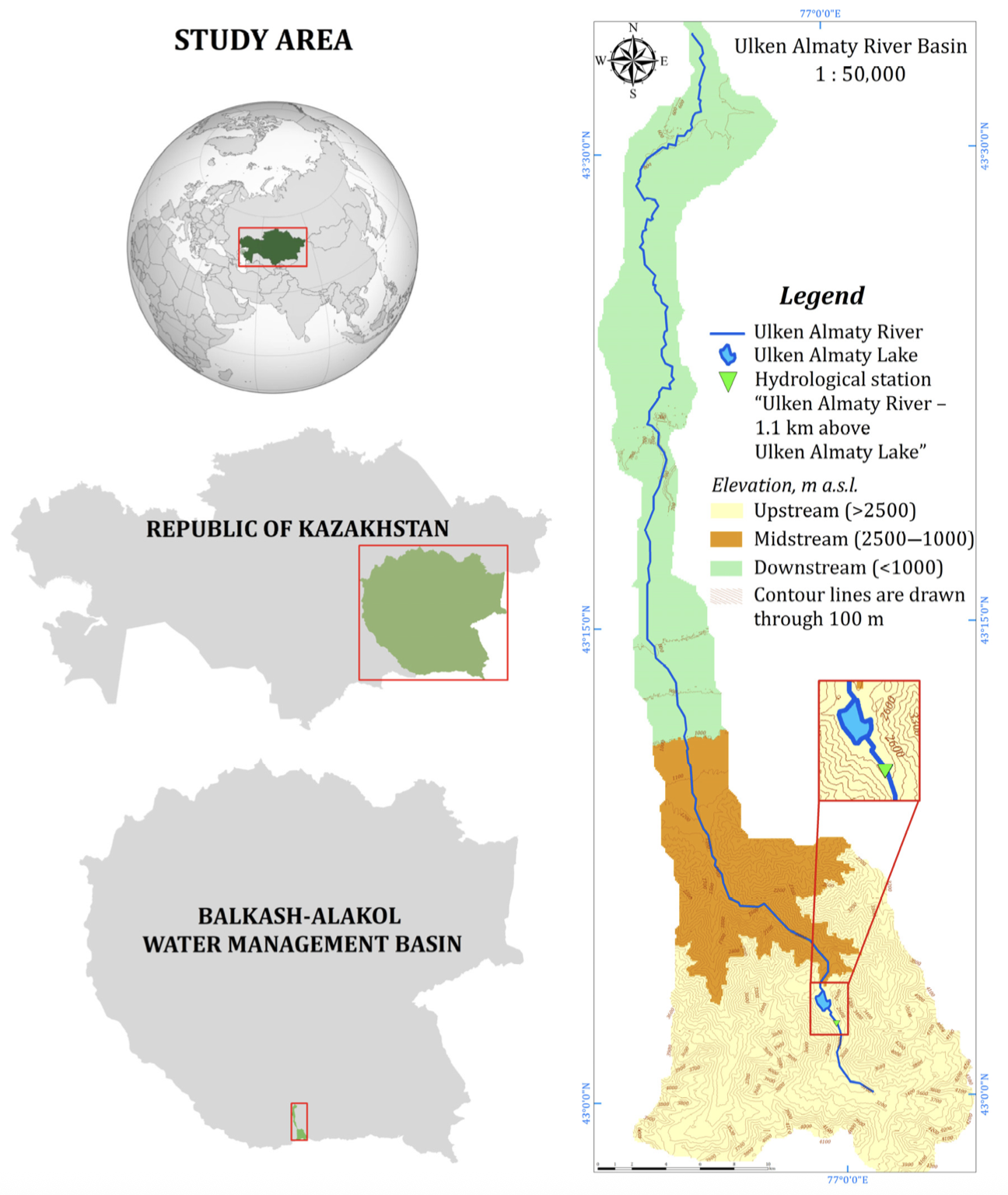
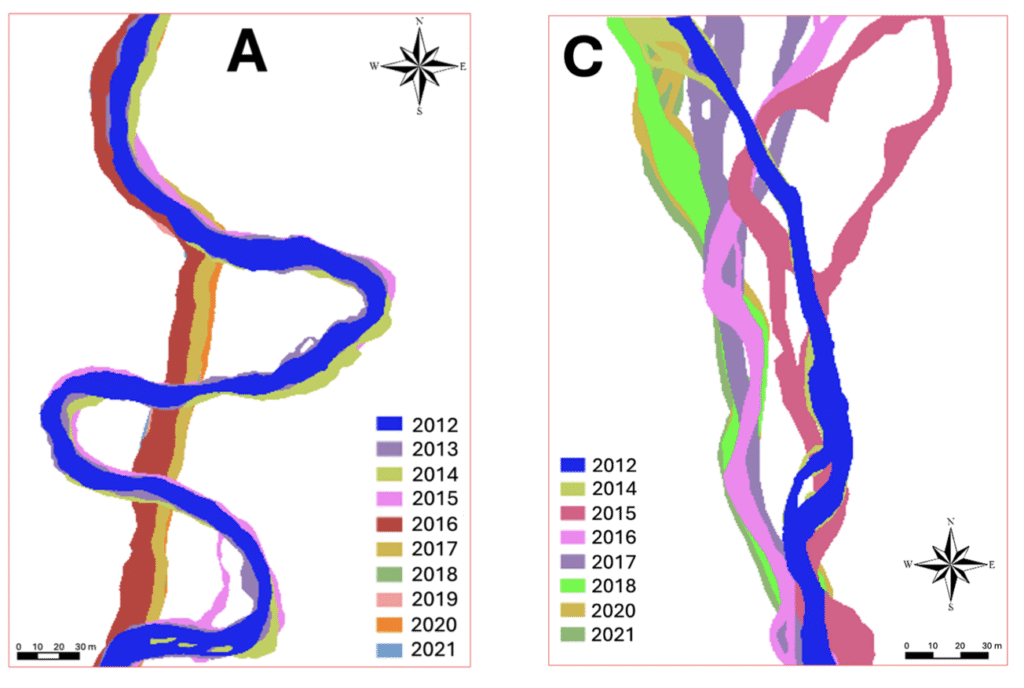 Research Overview
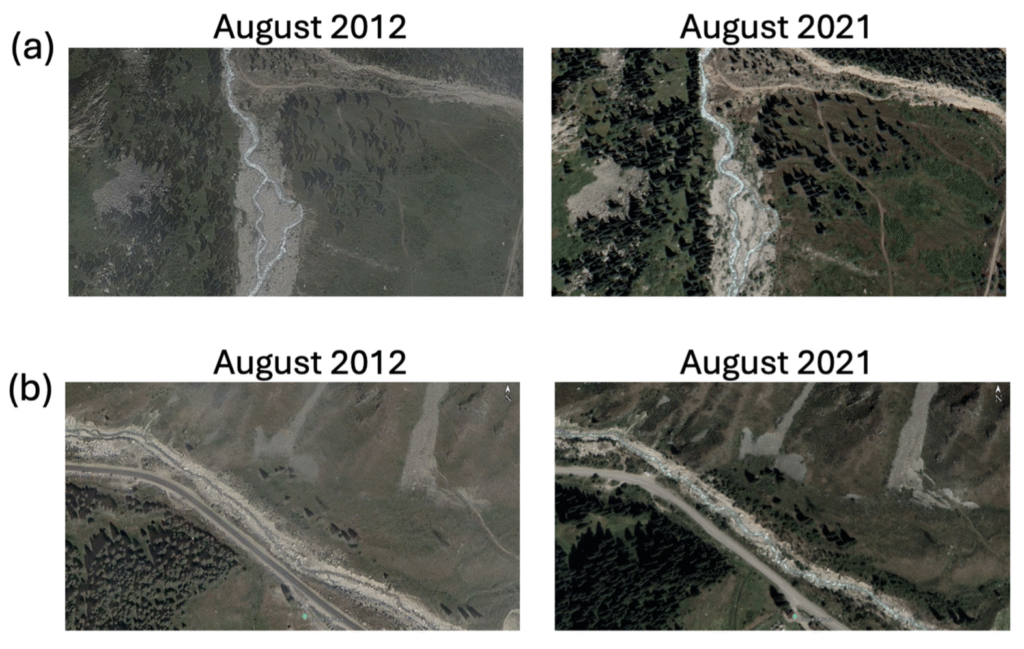 An International Research Effort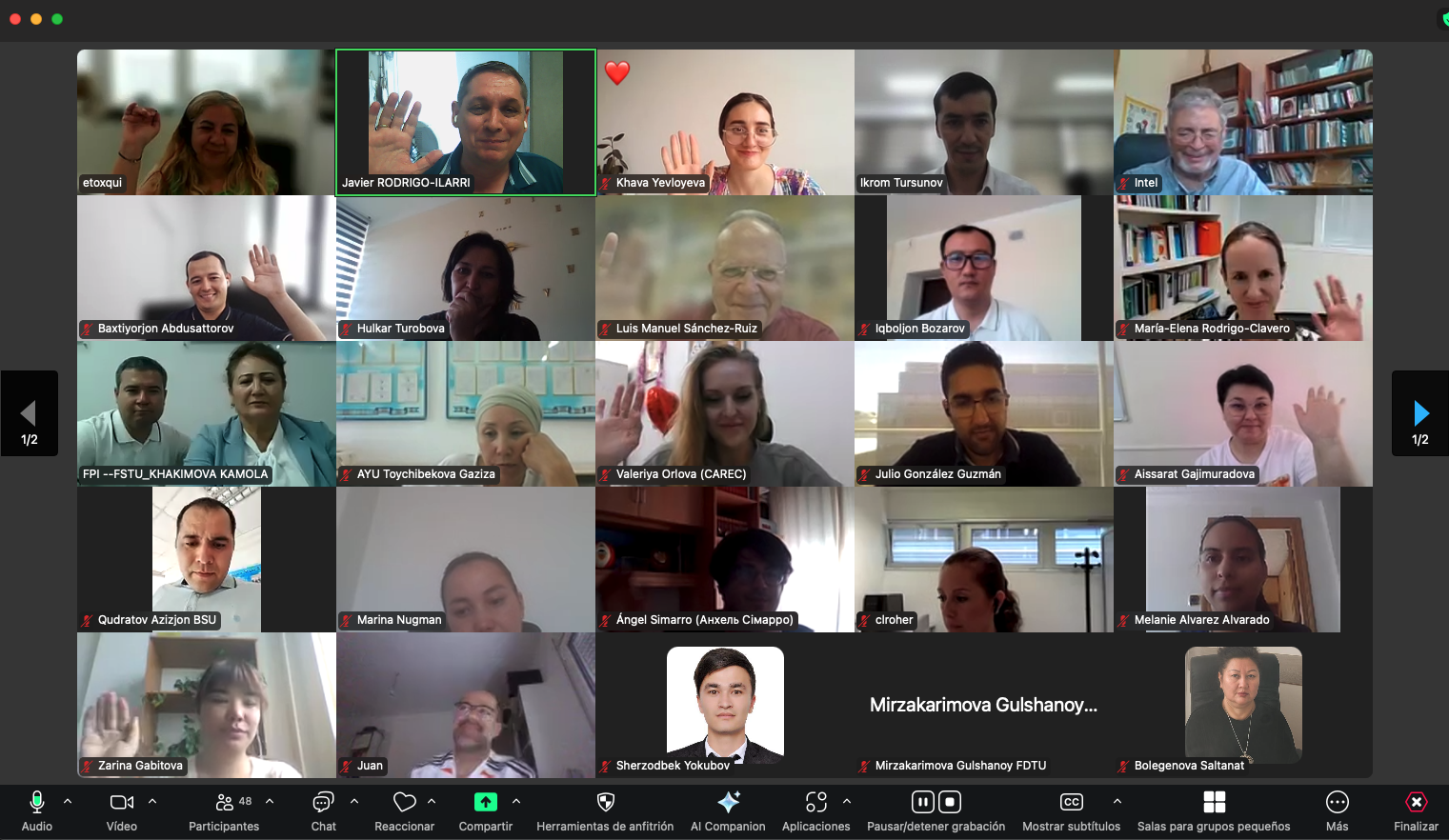
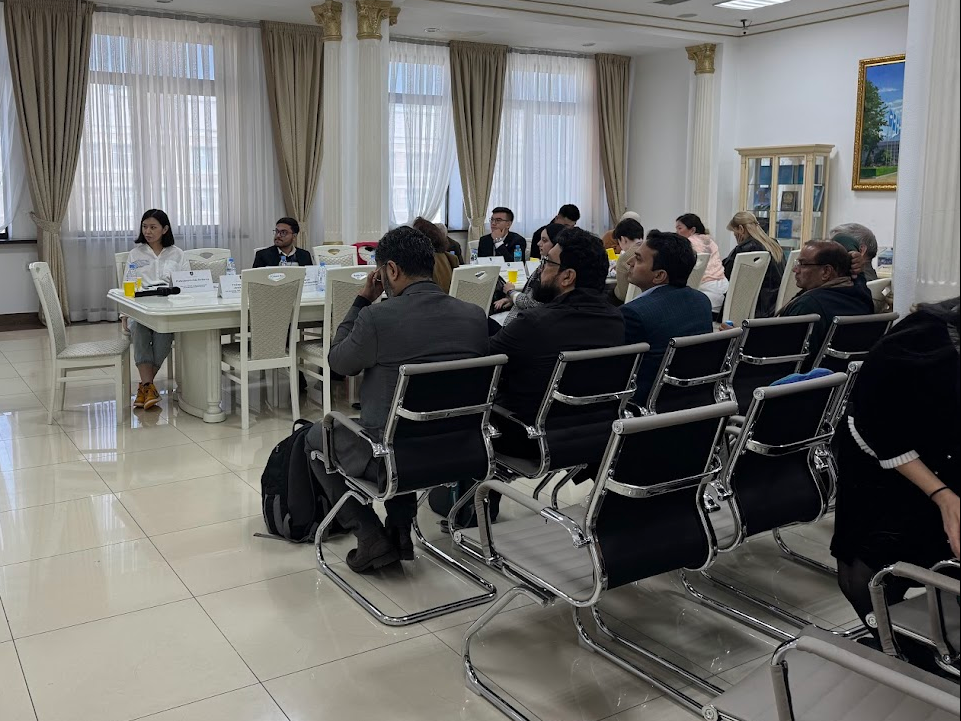
 The event was chaired by Javier Rodrigo-Ilarri (UPV) in Part 1, and by Eleni Toxqui (UCY) in Part 2. A highlight was the presentation by Dr. Rodrigo-Ilarri, project coordinator, who outlined the broader scope and achievements of LESLIE as an exemplary Erasmus+ CBHE initiative in the region.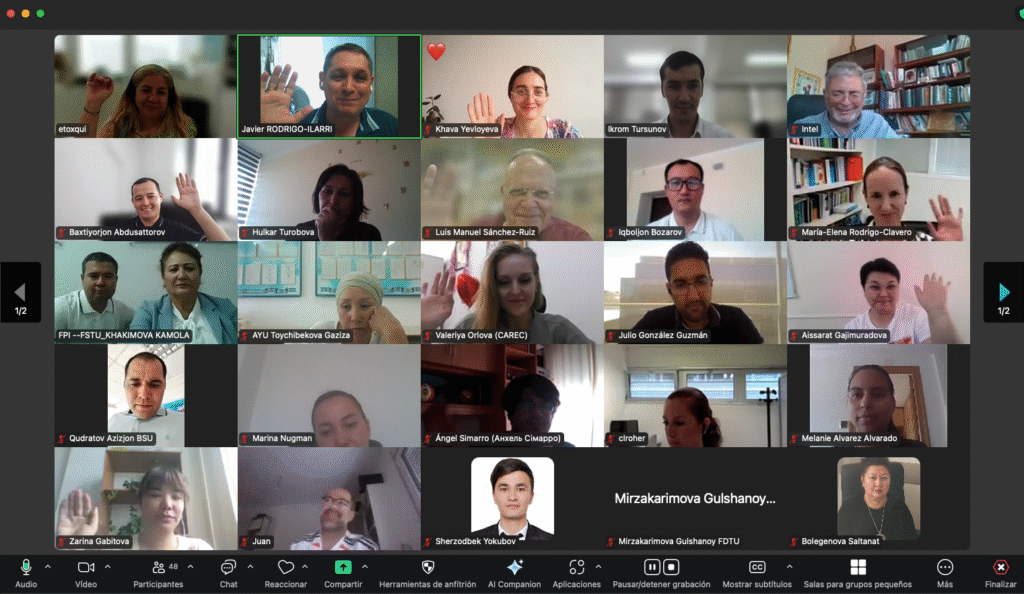
 The study also warns of the negative impacts of urban encroachment on the Albufera Natural Park, one of the most ecologically valuable wetlands in the Mediterranean. The combination of urban growth, agricultural intensification, and inadequate spatial planning has reduced the park’s ecological integrity and exacerbated problems such as water pollution and habitat fragmentation.
 The study demonstrates the usefulness of combining CORINE Land Cover and World Settlement Footprint satellite data to achieve high-resolution environmental assessments. The authors also underline the potential of the WEI as a decision-support tool for sustainable land management in Mediterranean metropolitan regions facing high anthropogenic pressure.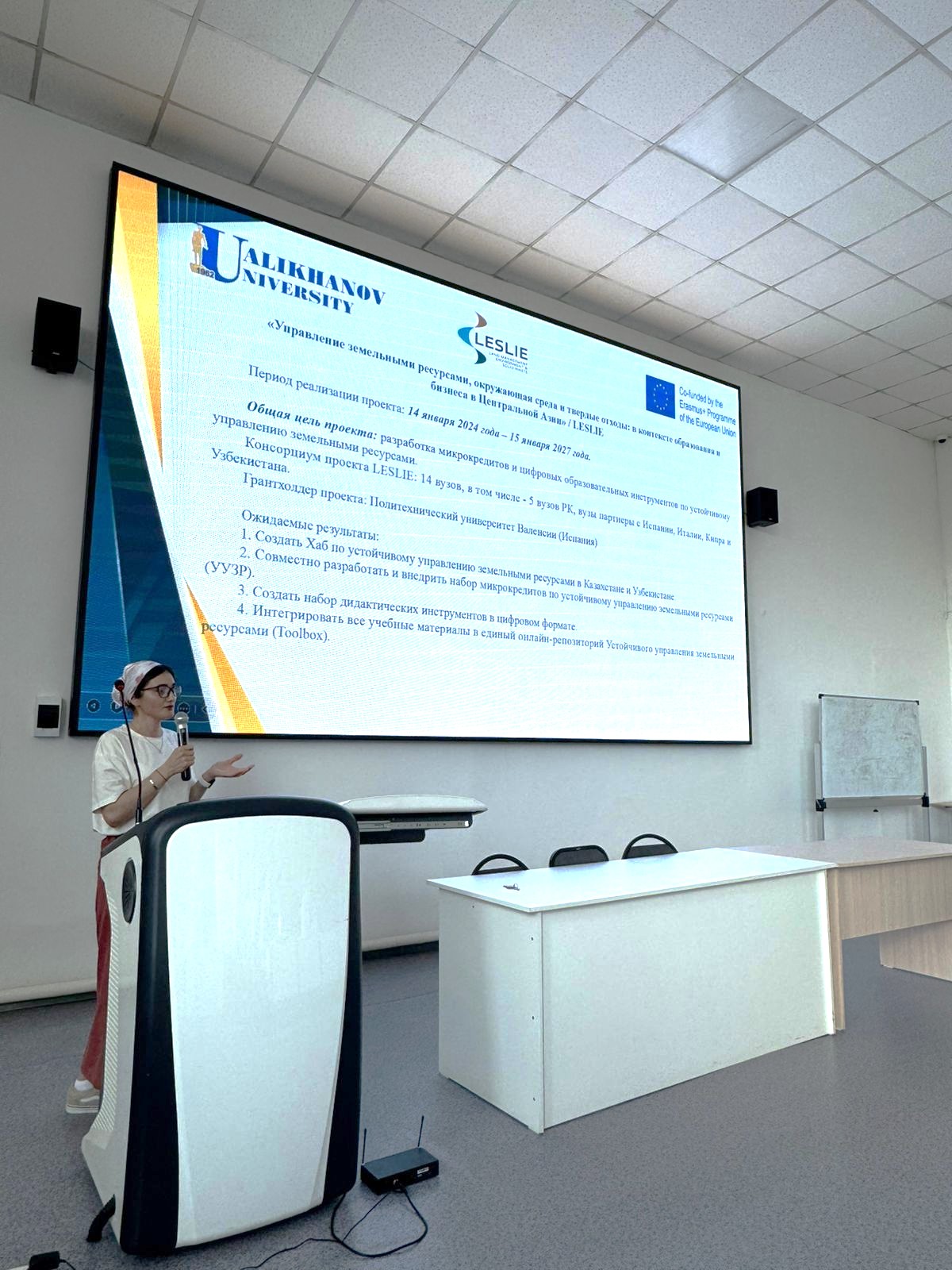
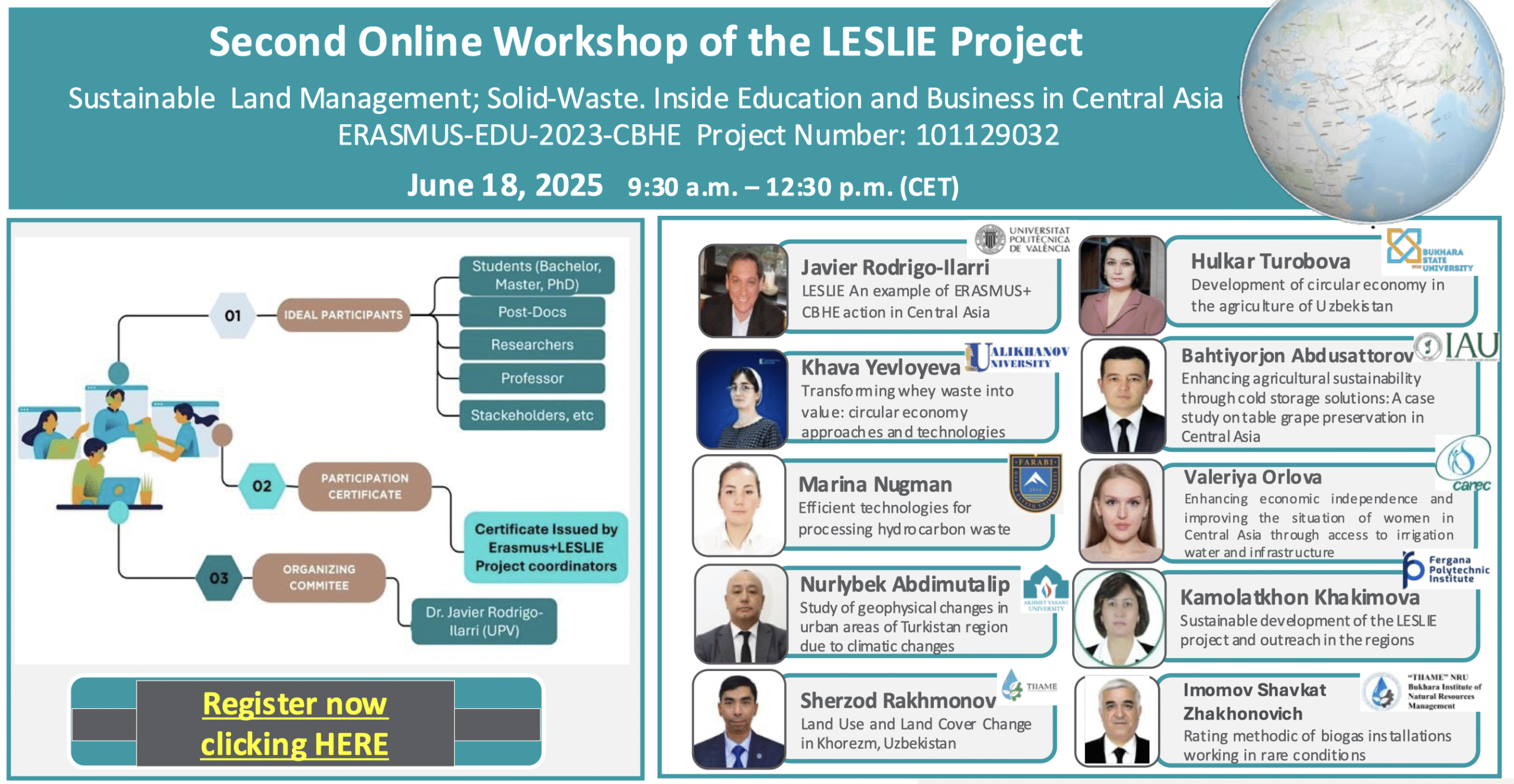
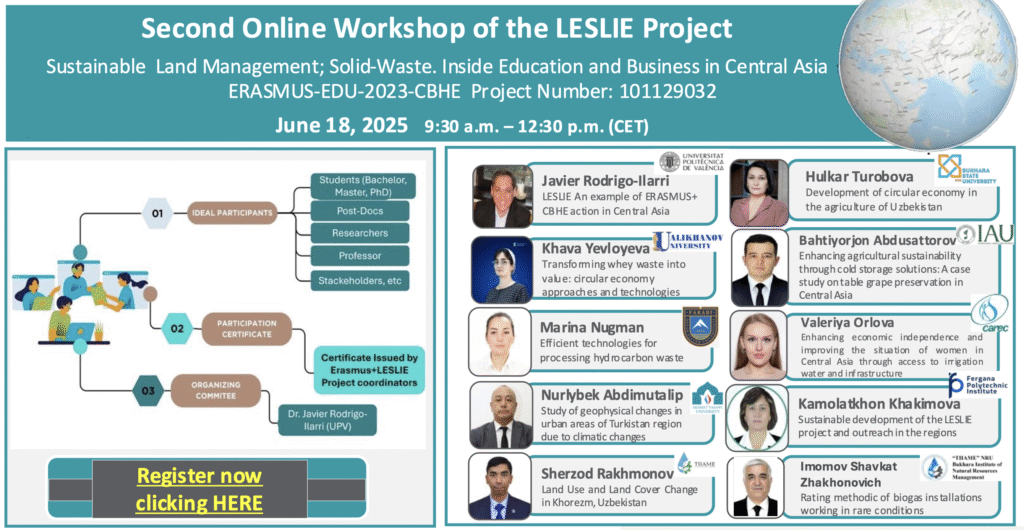
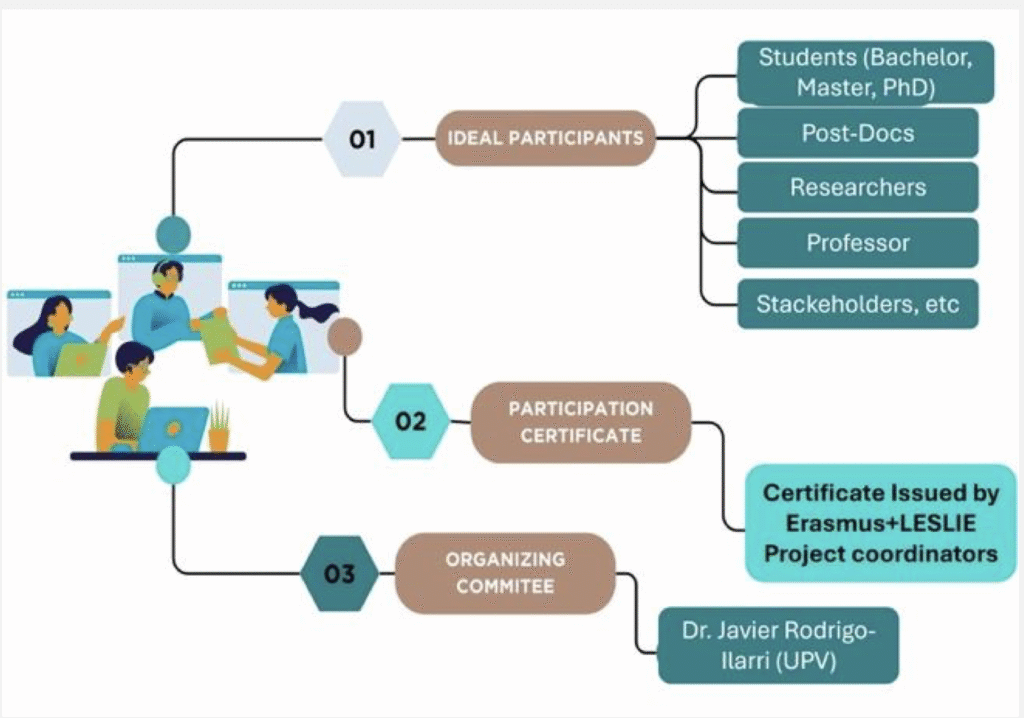 The workshop will be opened by LESLIE coordinator, Prof. Javier Rodrigo-Ilarri, who will introduce the keynote lecture: “LESLIE: An example of ERASMUS+ CBHE action in Central Asia”. His talk will highlight the strategic goals of LESLIE in advancing academic capacity and promoting cross-border collaboration in environmental education.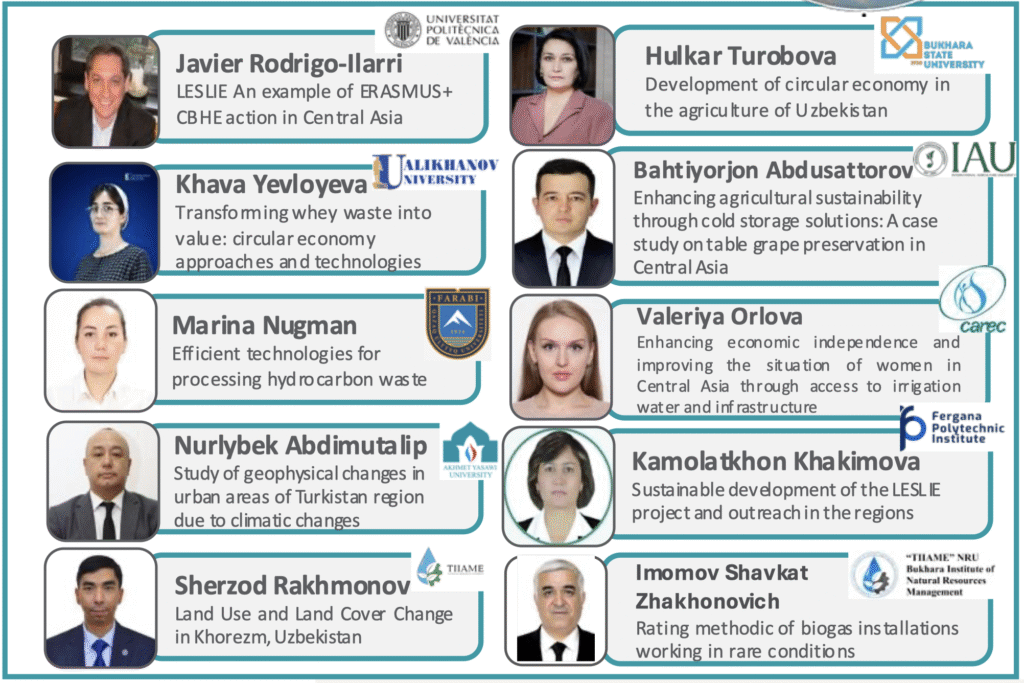
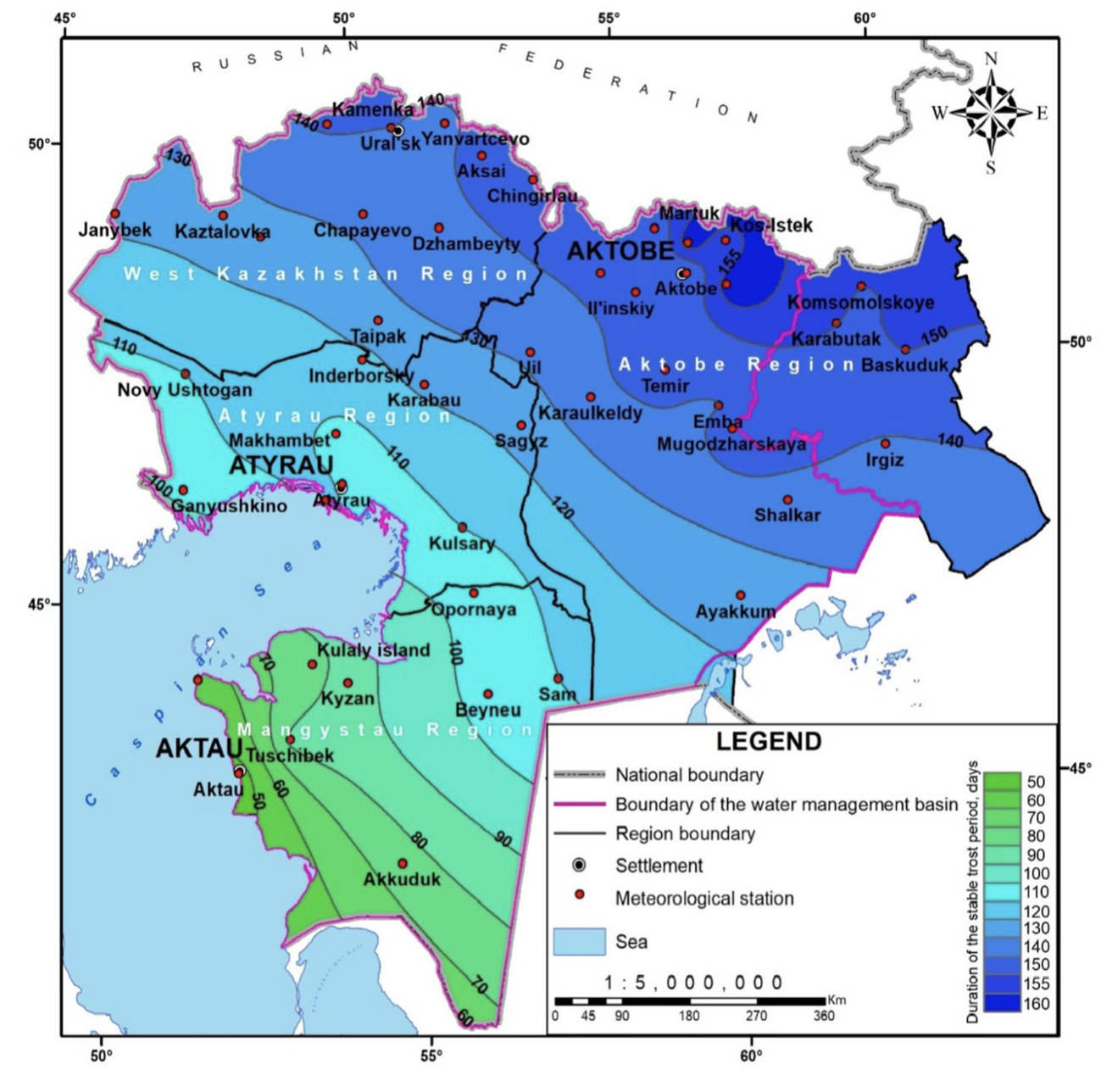
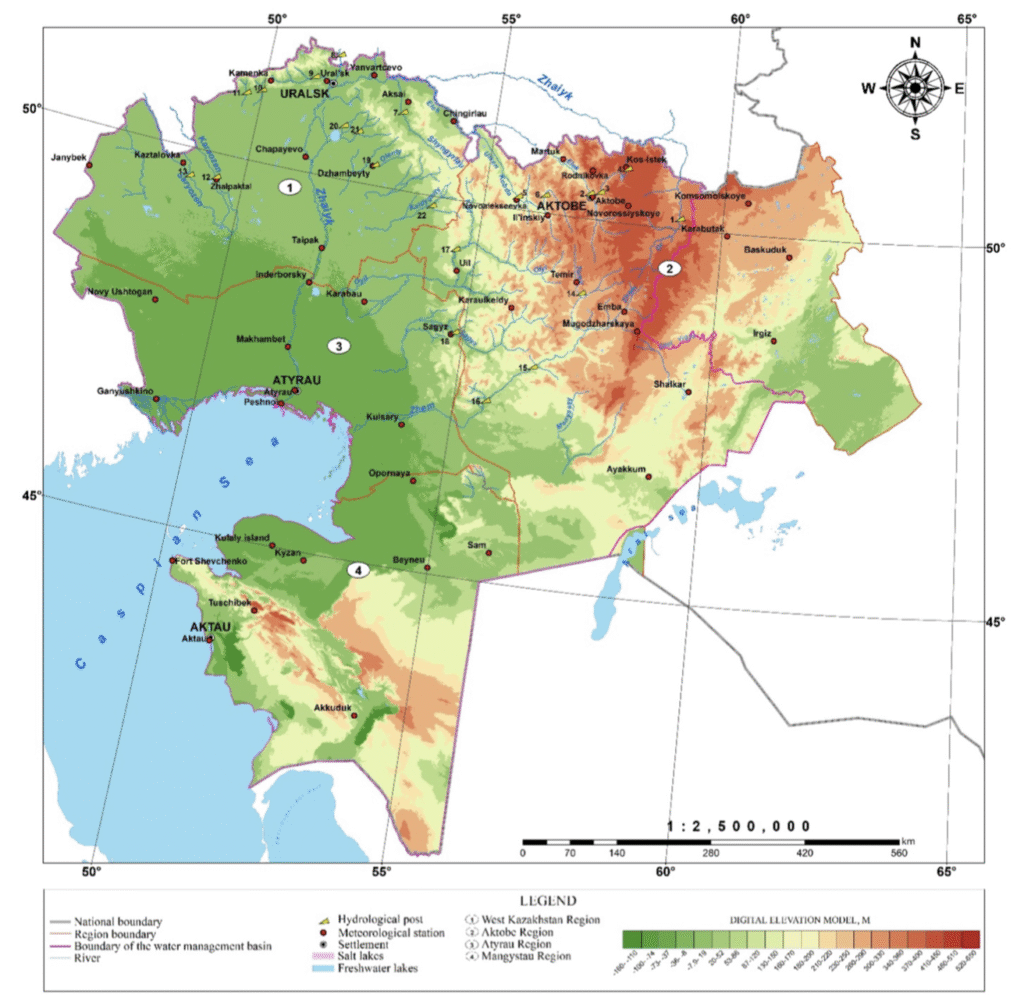
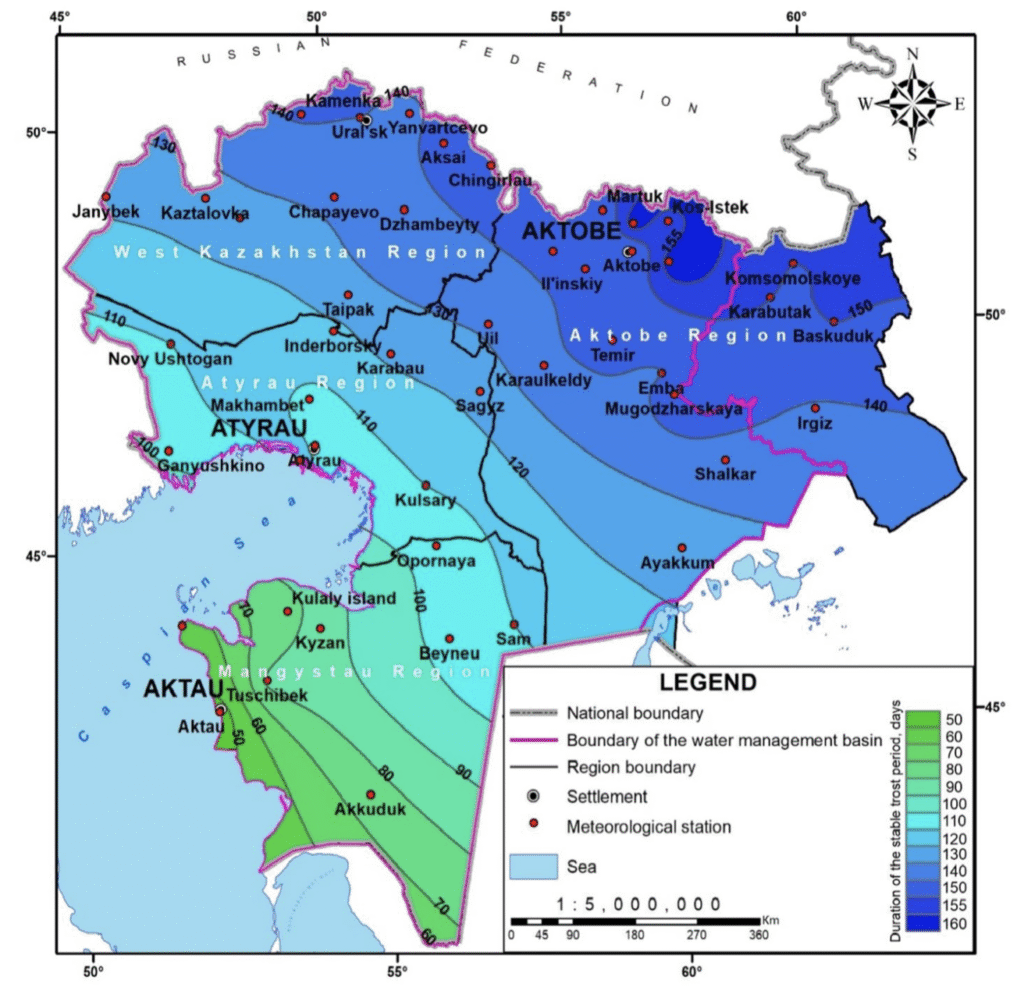
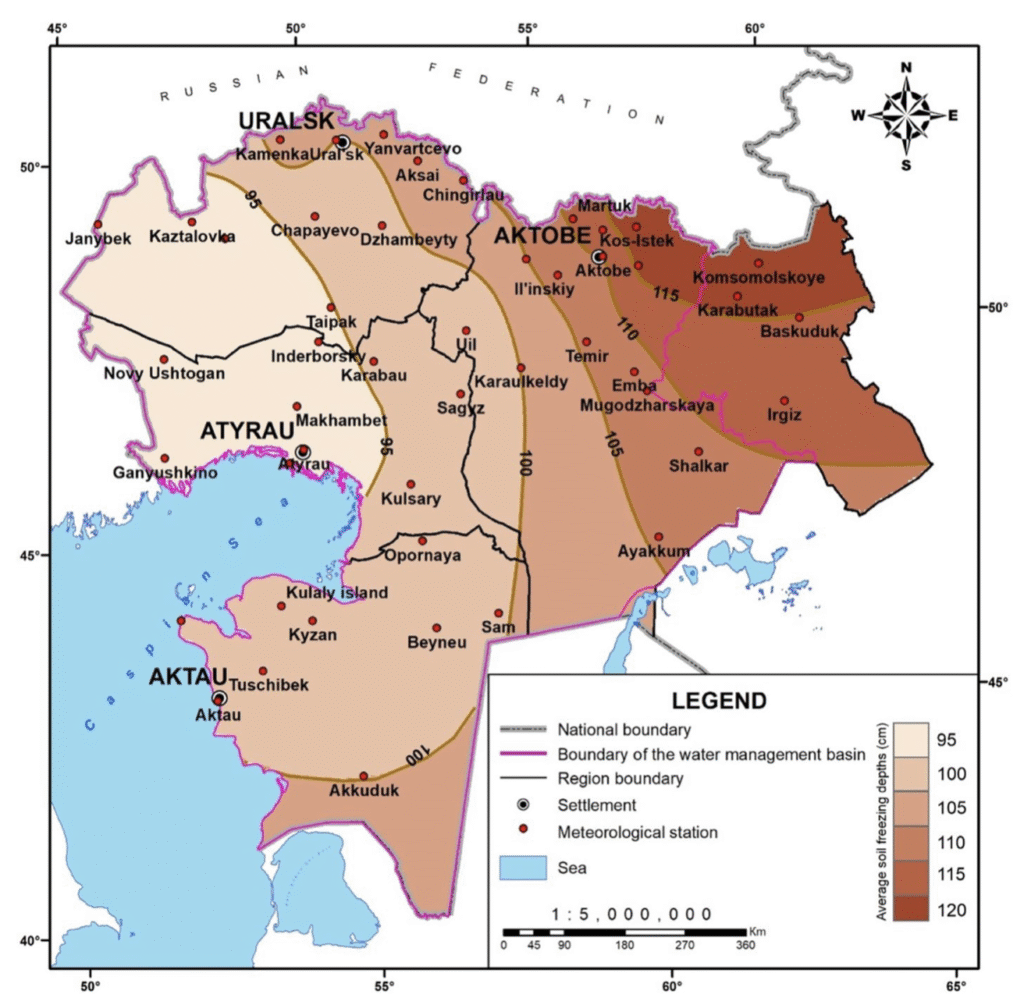
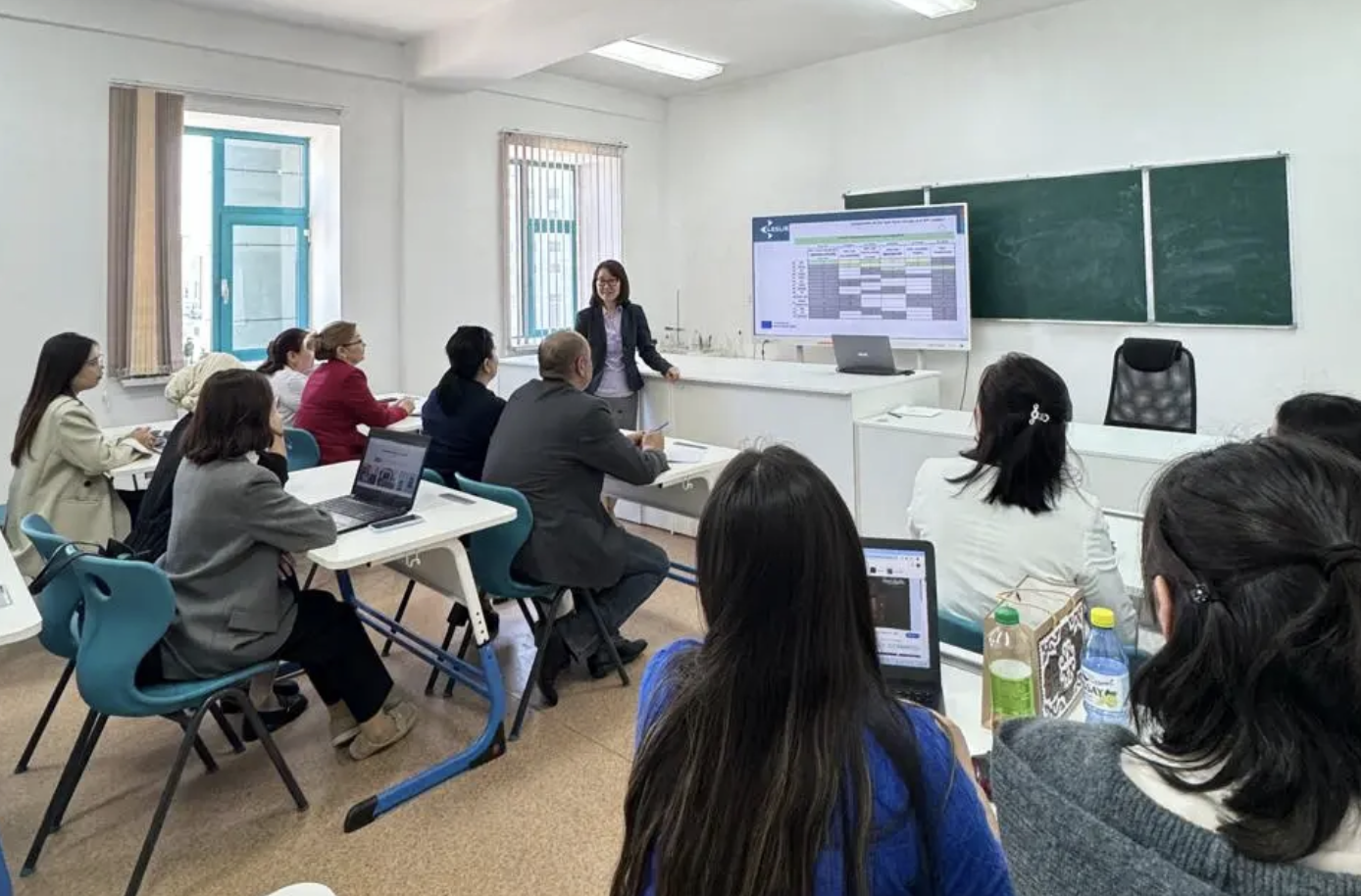
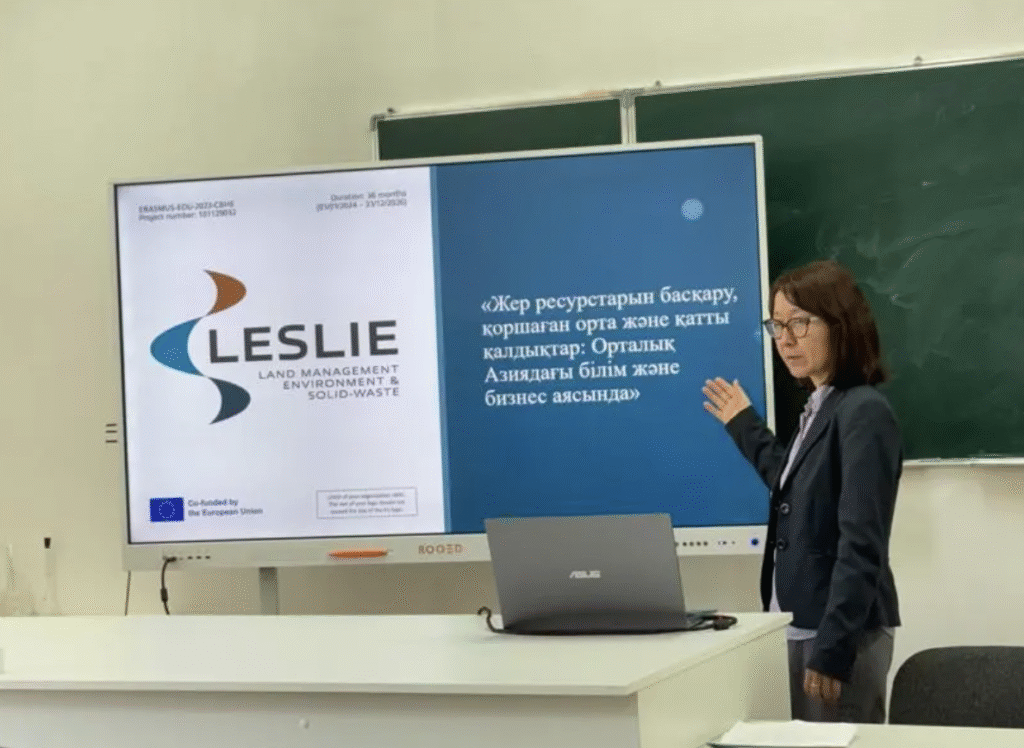
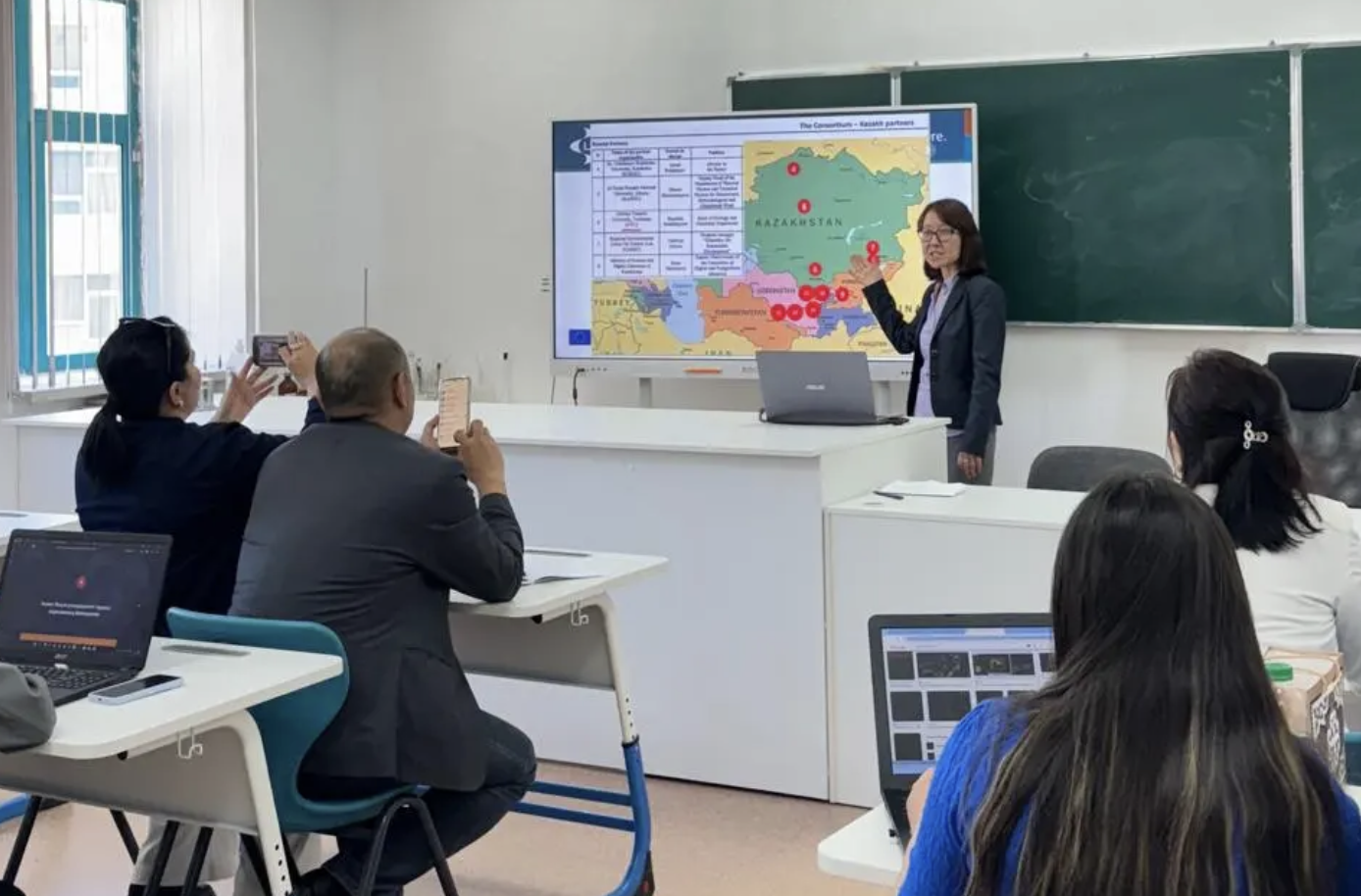 The seminar featured a presentation by Professor R.N. Nurdillayeva titled “Features of the LESLIE International Erasmus+ Project.” LESLIE (Land Management, Environment & Solid-Waste: Inside Education and Business in Central Asia) is an innovative Erasmus+ initiative aimed at strengthening higher education capacity in environmental science, sustainable land use, and solid waste management across Central Asia.