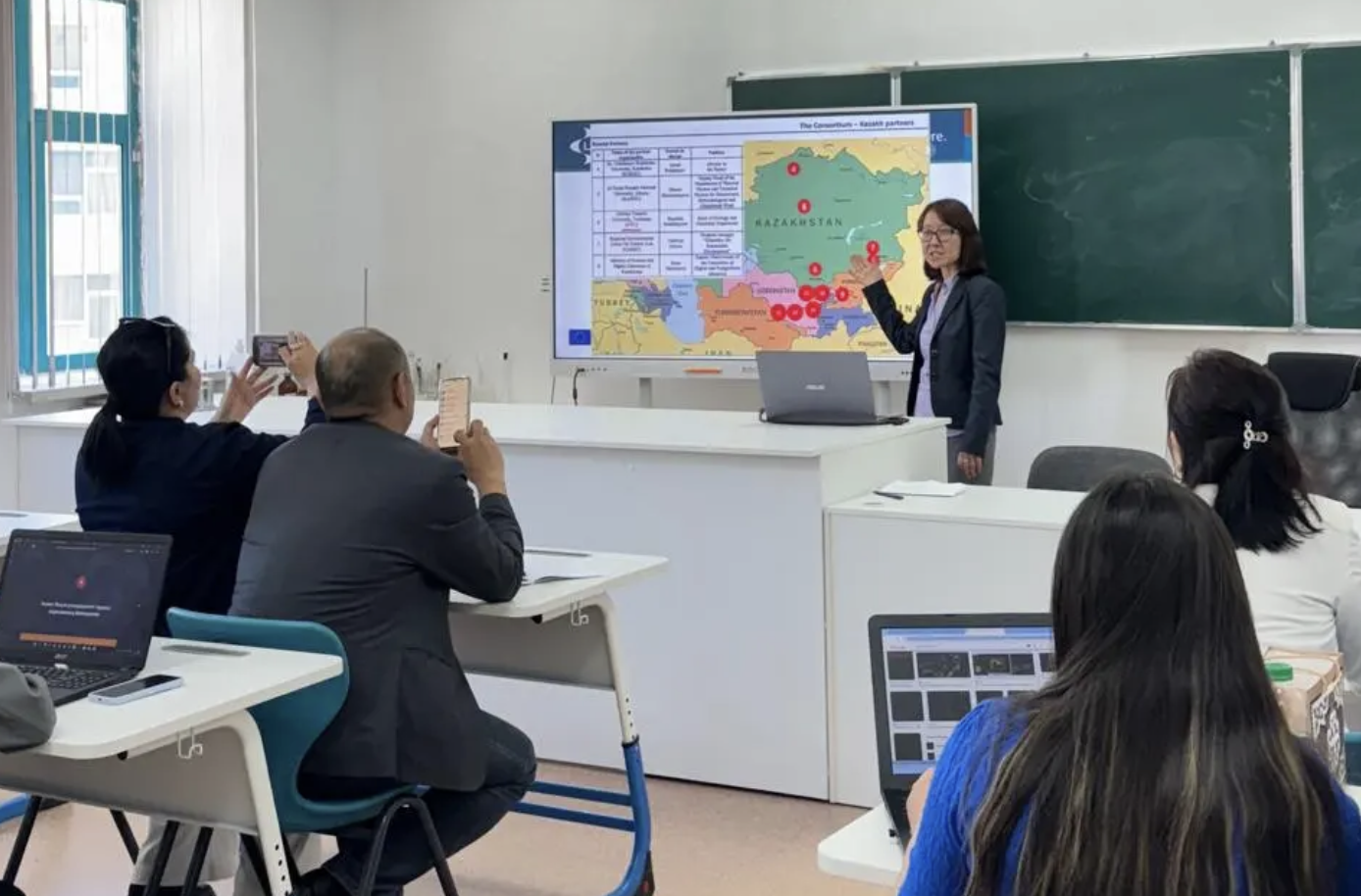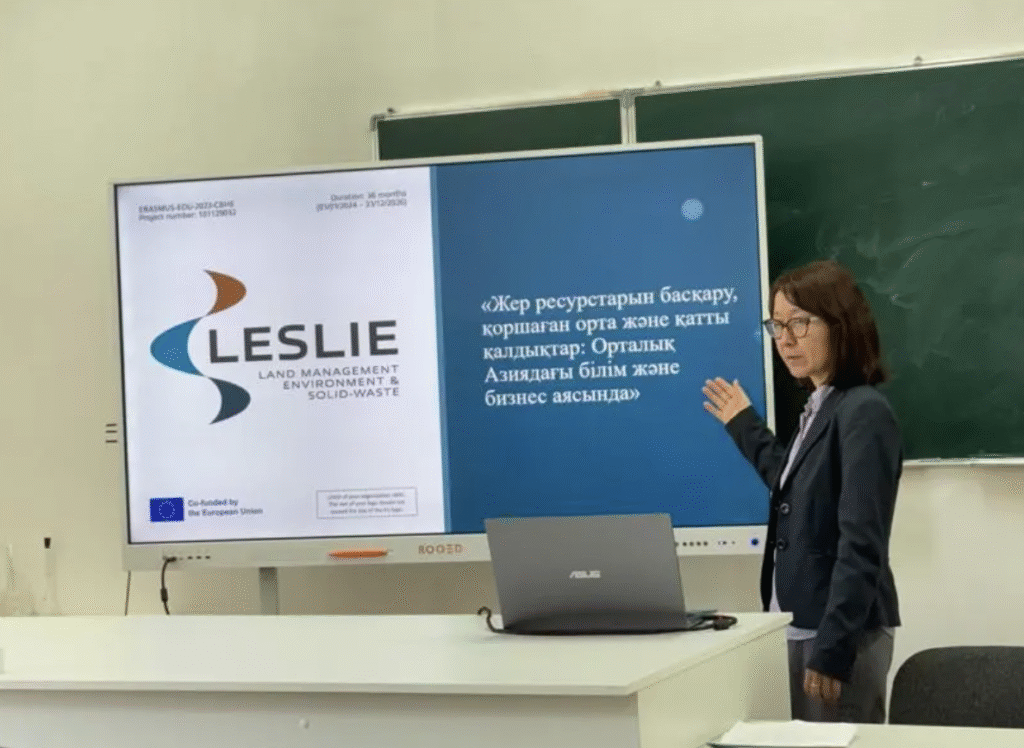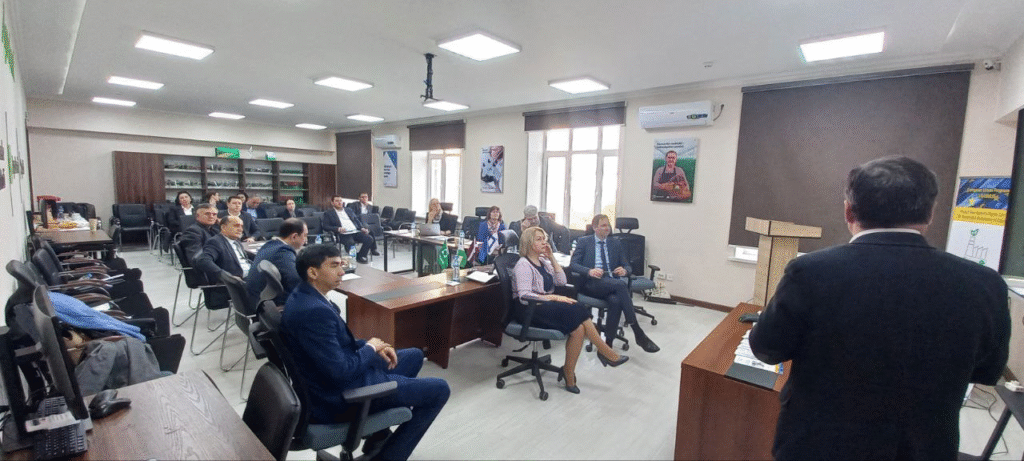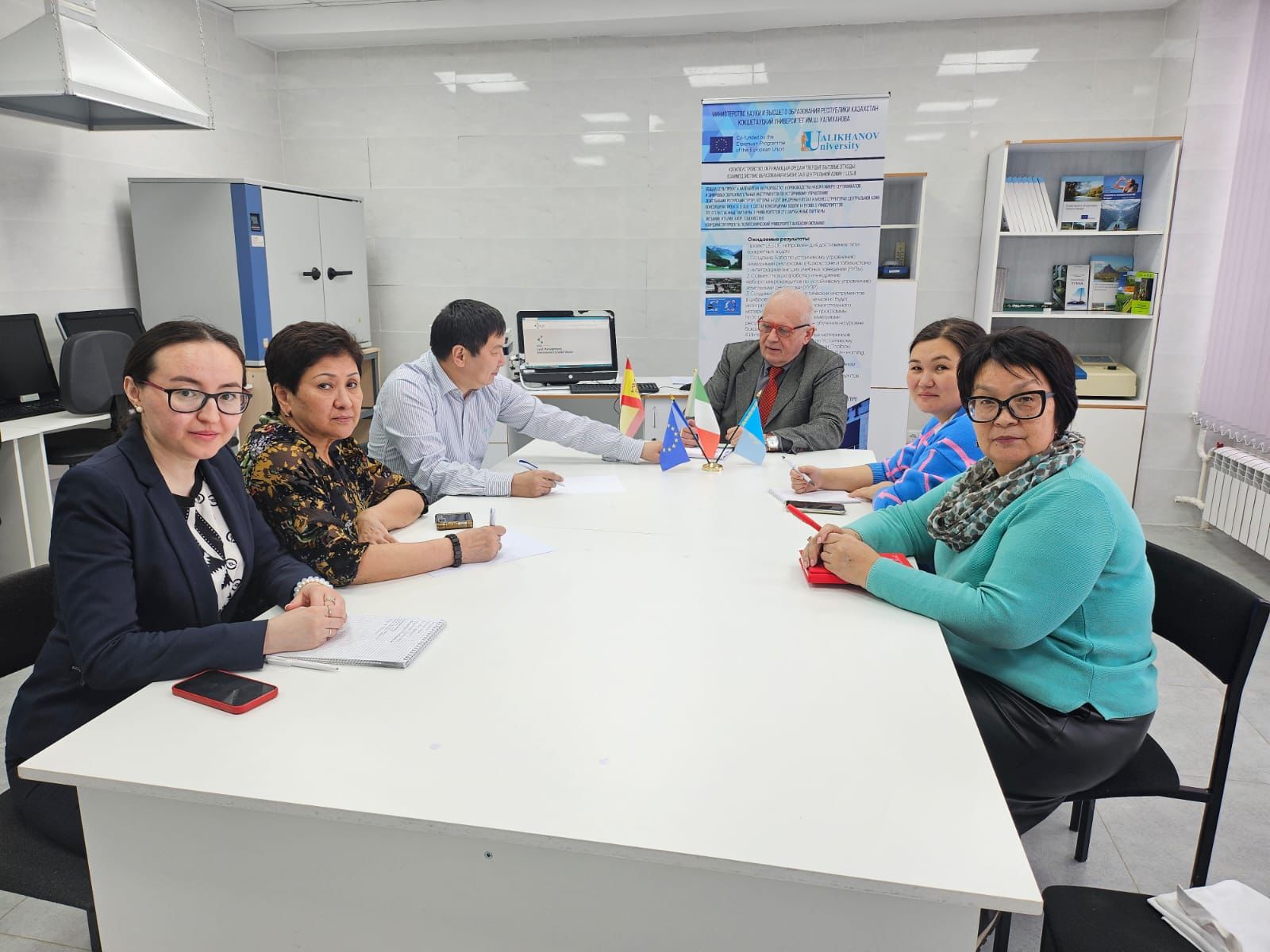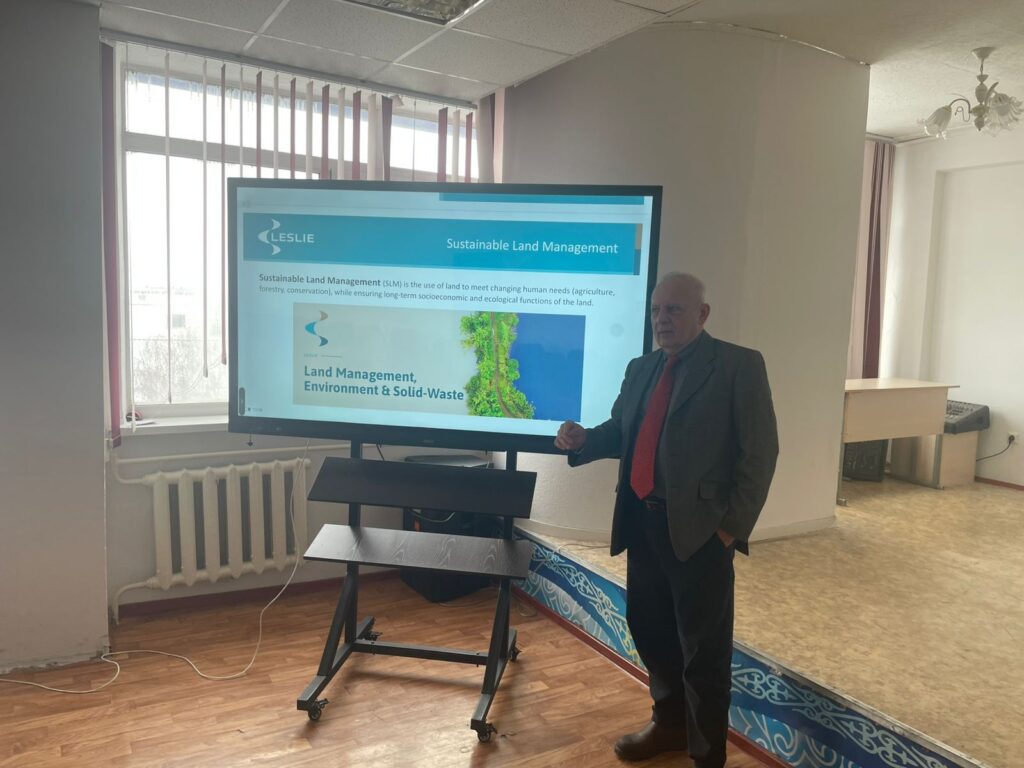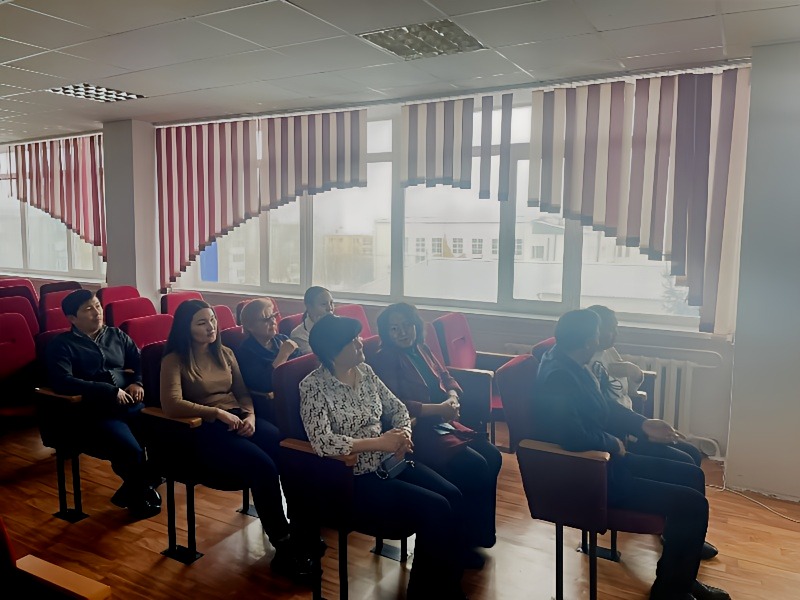
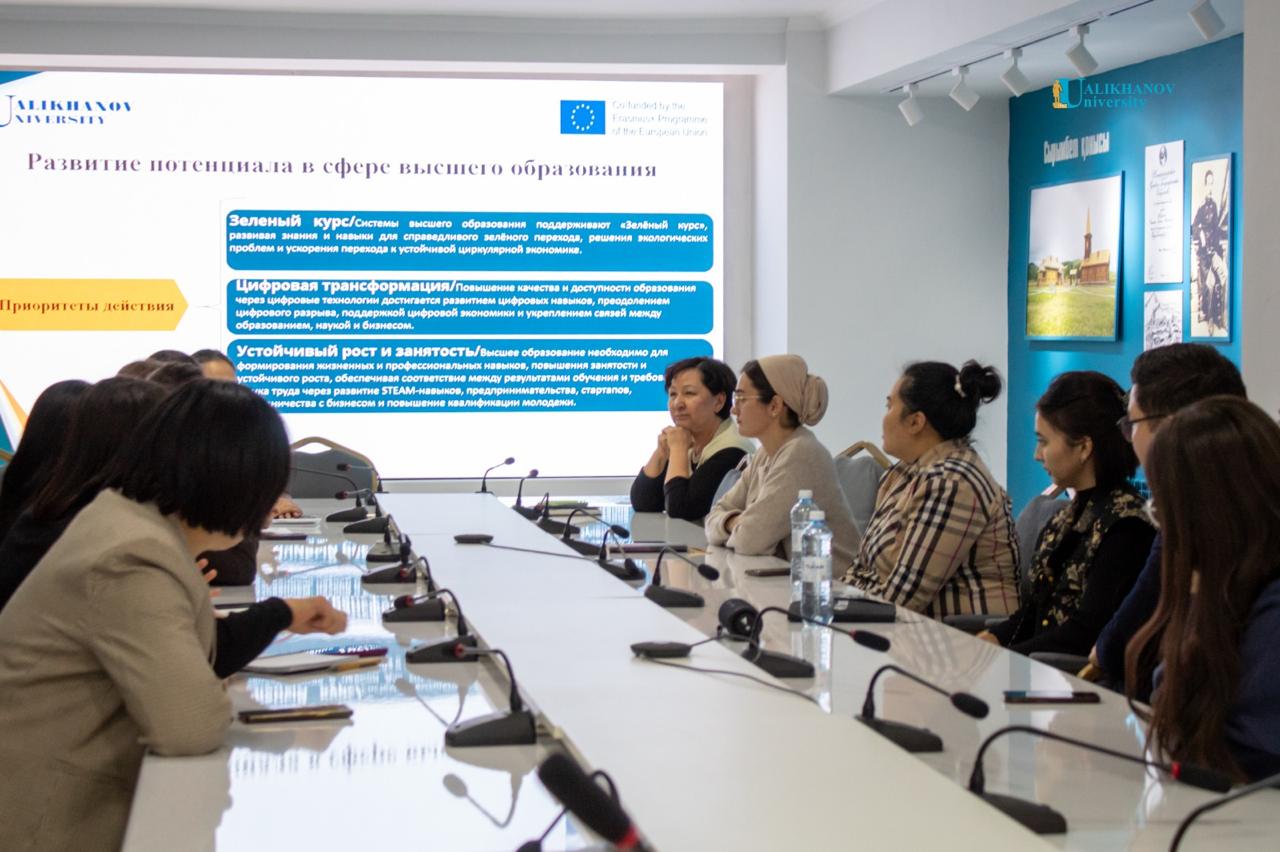
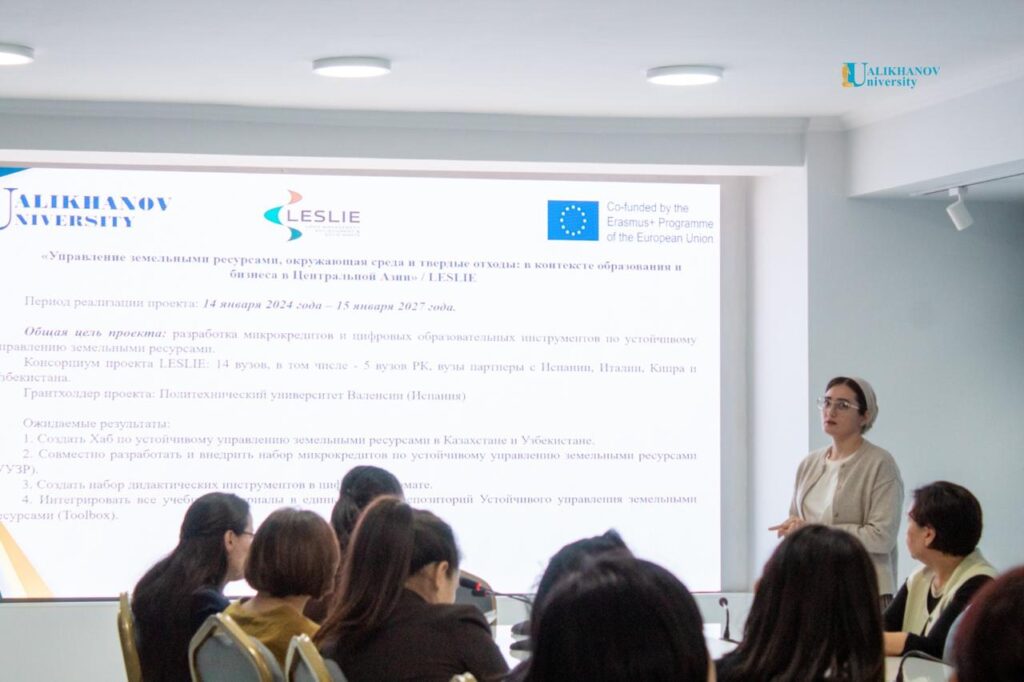
On 21 October 2025, from 4:00 to 6:00 PM, the Global Hour Meeting took place at Shoqantanu Hall of Ualikhanov University in Kokshetau, Kazakhstan. The event provided an open forum for faculty members, department heads, and project coordinators to discuss ongoing and future international cooperation initiatives within the university.
The meeting was chaired by the Vice-Rector for Digitalization and International Cooperation, who emphasized the growing importance of global engagement and collaborative innovation in higher education. Representatives of several international projects were present, including members of the LESLIE Project (Land Management, Environment & Solid Waste: Inside Education and Business in Central Asia).

During the session, participants shared experiences and best practices in managing and implementing international projects, highlighting the benefits of interdisciplinary collaboration and capacity building. The LESLIE representatives presented the project’s objectives and key achievements, particularly its efforts to develop micro-credentials and digital learning tools in Sustainable Land Management (SLM) across Central Asia.
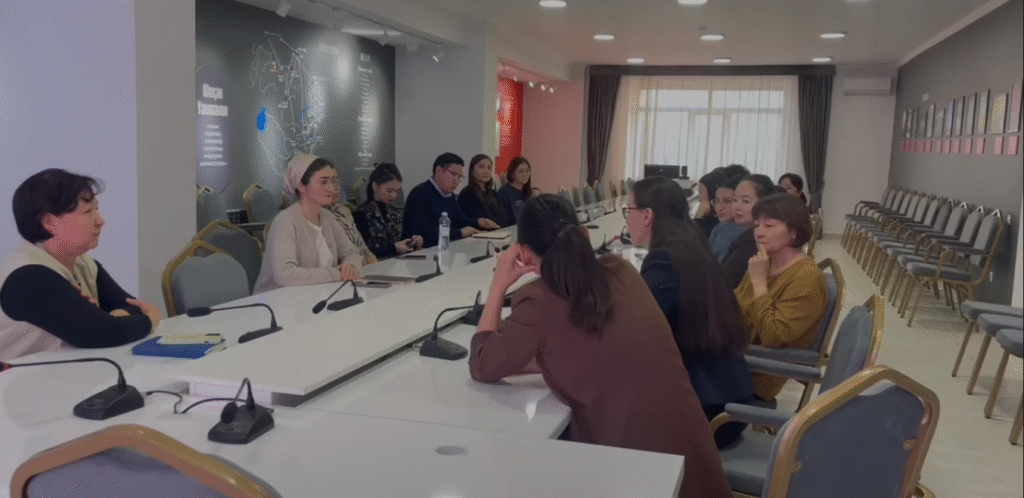
Discussions also explored future strategies to strengthen Ualikhanov University’s role in European-funded programmes such as Erasmus+, foster new academic partnerships, and expand opportunities for students and staff mobility.

The Global Hour initiative reaffirmed the university’s commitment to internationalization and innovation, while recognizing the LESLIE Project as a catalyst for advancing environmental education, digital transformation, and sustainable development in the region.
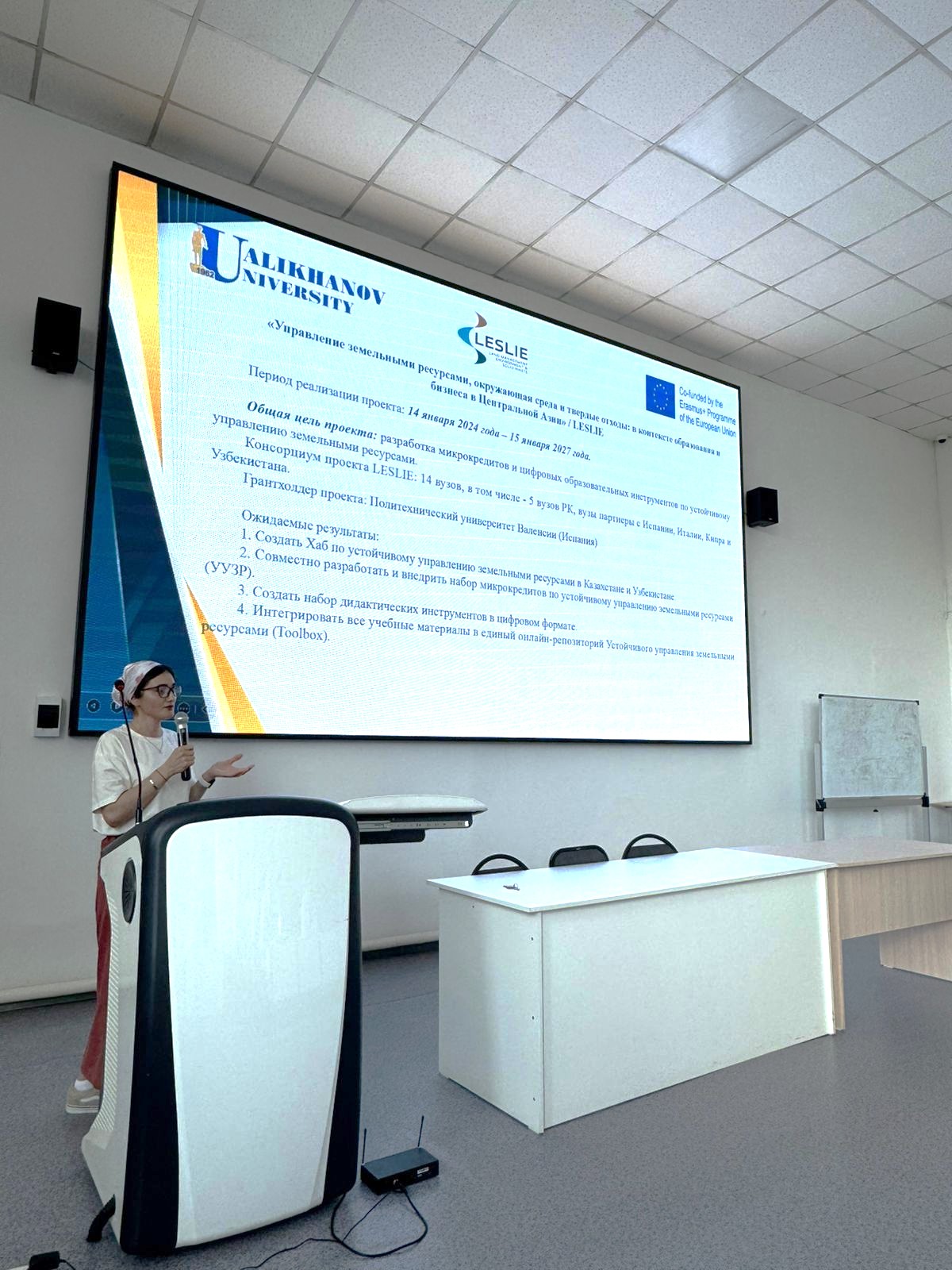
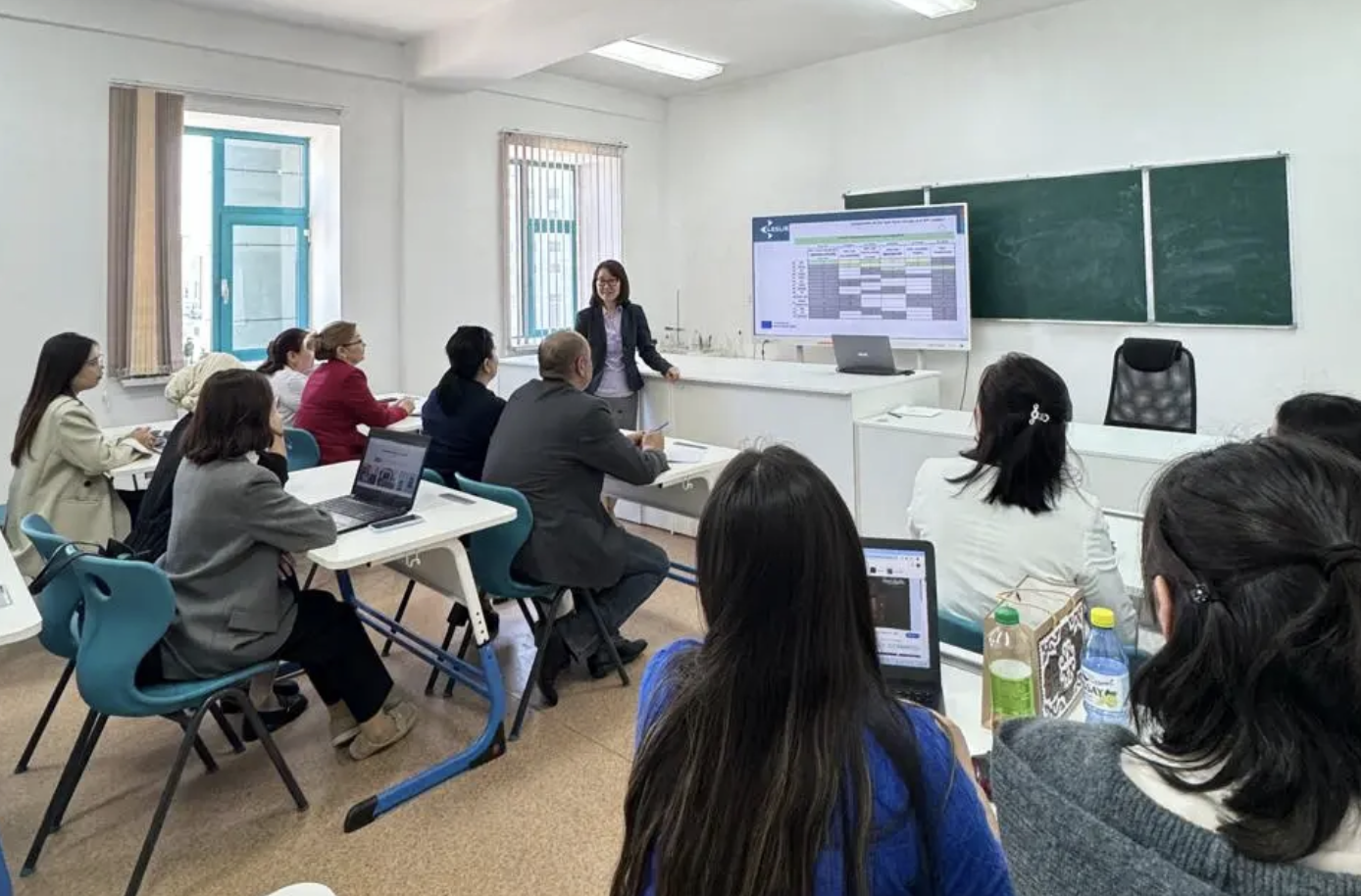
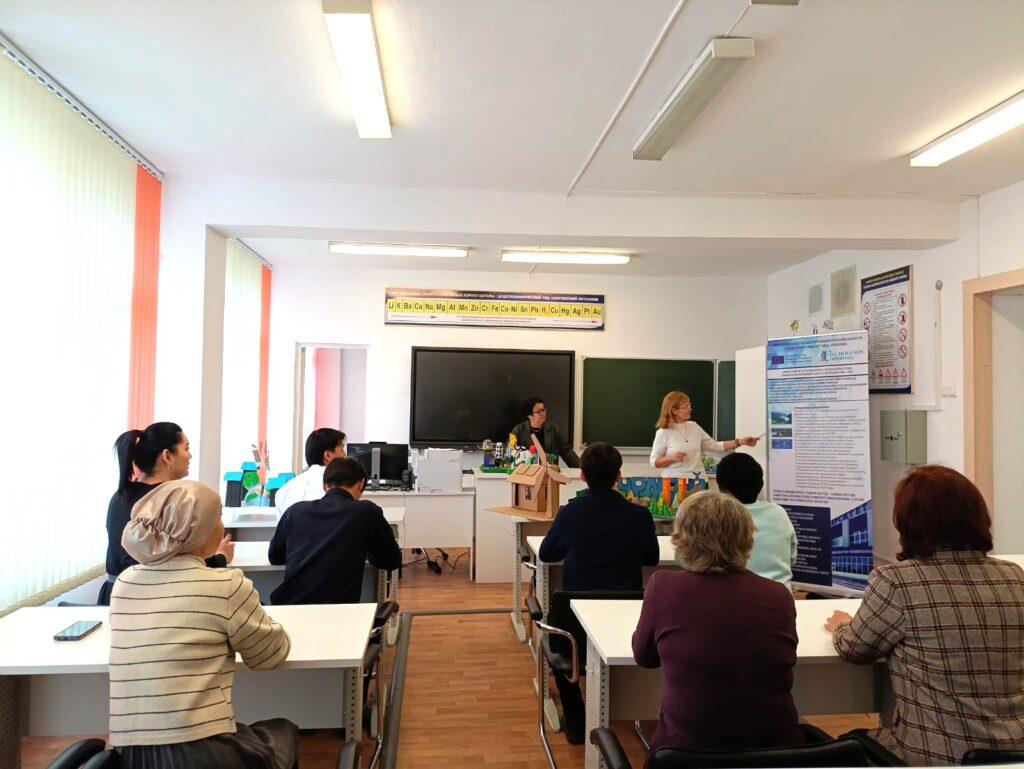
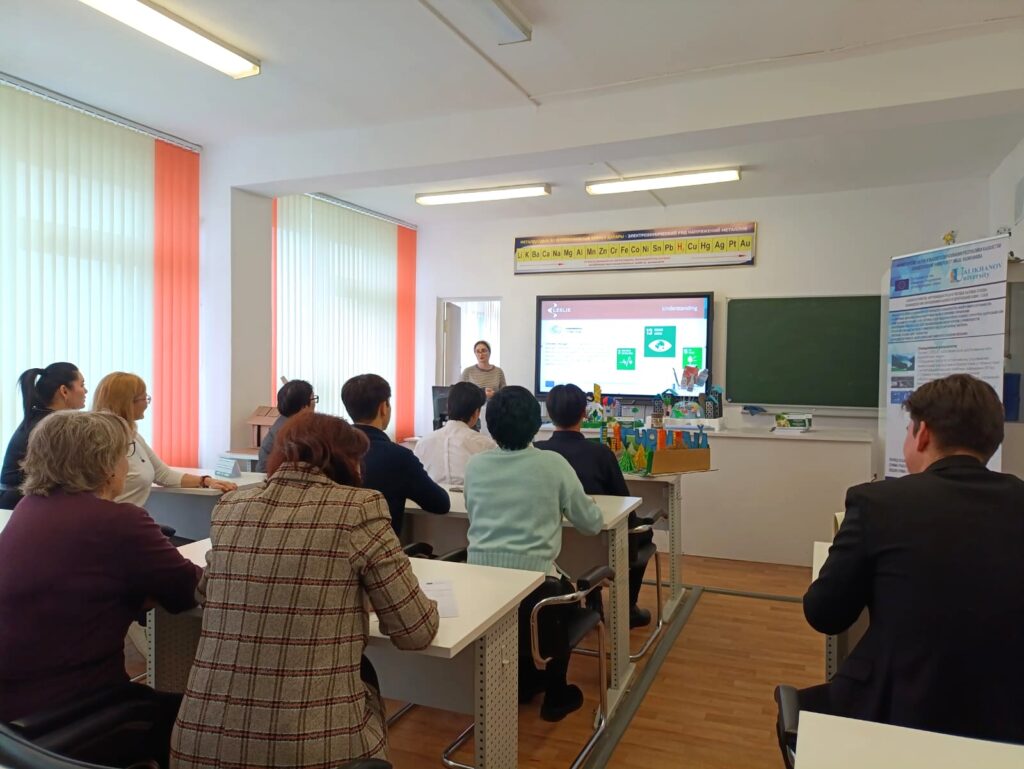
On June 4–5 2025, Sh. Ualikhanov Kokshetau University hosted a series of training seminars for academic staff, focusing on key strategic areas for modern higher education: digital transformation, internationalization, and academic rankings.

A central part of the seminars was the detailed presentation of the LESLIE Project (Erasmus+), an international initiative aimed at fostering innovation and excellence in higher education. Participants were introduced to the project’s objectives, main focus areas, and expected outcomes. Particular attention was given to the upcoming second LESLIE workshop, scheduled for June 18, which generated considerable interest among faculty members. All necessary information, including the registration link, was provided to facilitate participation.

The seminars gathered academic representatives from across the university, including:

  • Higher School of Business and Law

  • Higher School of Medicine

  • Pedagogical Institute

  • Agro-Technical Institute

The event was marked by high levels of engagement and active discussions, underscoring the relevance of the topics addressed and the strategic importance of the LESLIE project for advancing the university’s international profile and institutional development.

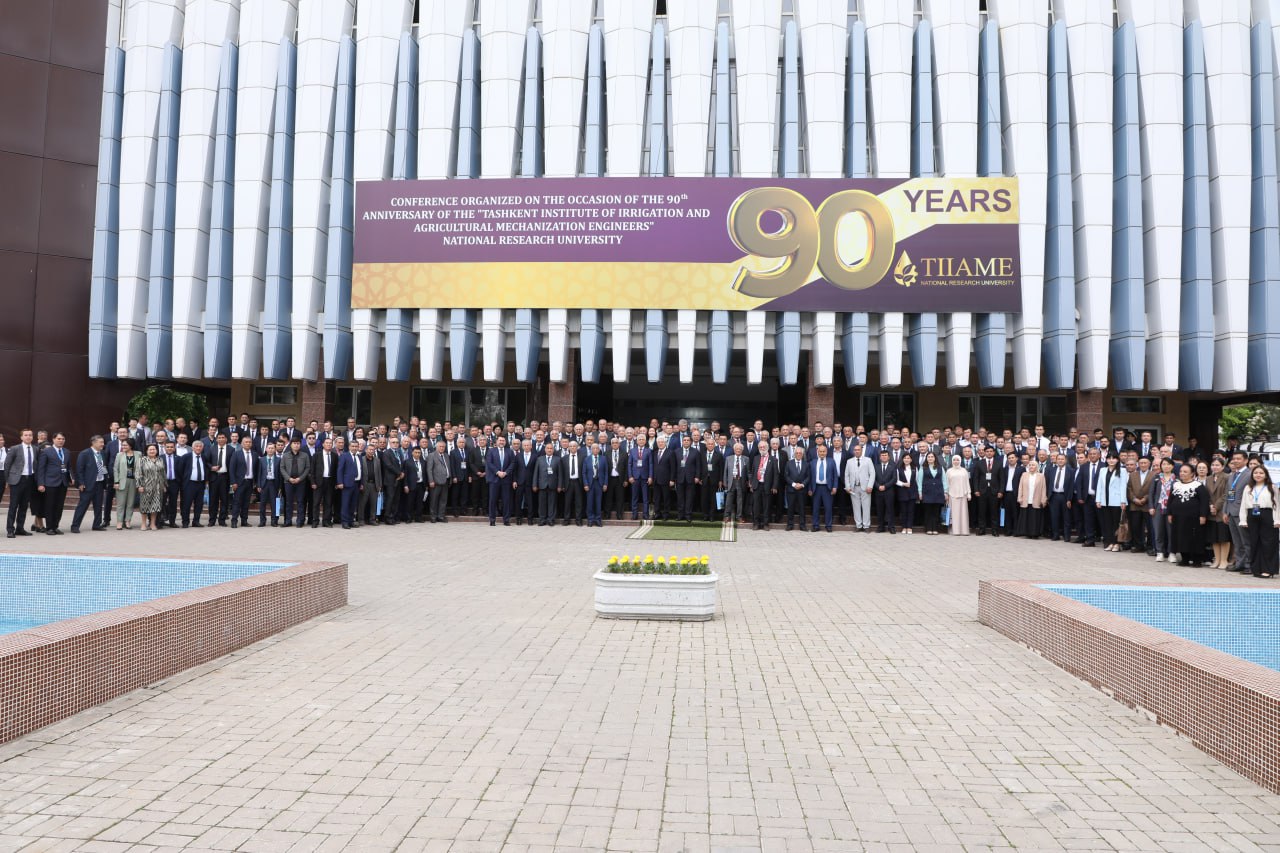
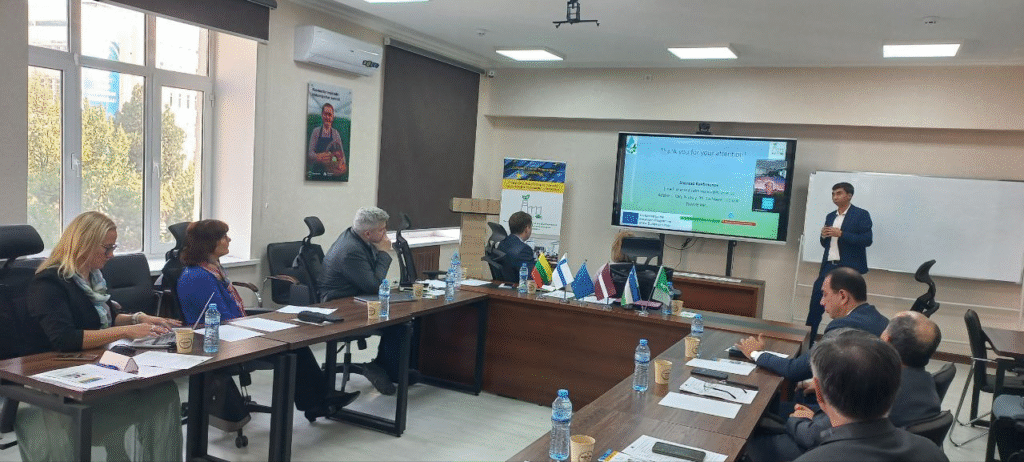
On April 10, 2025, the Tashkent Institute of Irrigation and Agricultural Mechanization Engineers – National Research University (TIIAME-NRU) hosted the international conference “Challenges and Prospects for the Development of Higher Specialized Education and Science in the Context of Globalization.” The event convened leading academics and professionals to exchange knowledge and strategies for advancing education and science in a rapidly globalizing world.

Associate Professor Sh. Rakhmonov represented TIIAME-NRU with a presentation focused on the LESLIE project, outlining its main objectives and its role in enhancing scientific collaboration and educational innovation. His intervention emphasized the relevance of international capacity-building initiatives like LESLIE in fostering adaptive, multidisciplinary approaches to global challenges in education and environmental sustainability.

During the conference, Professor Rakhmonov also presented his research paper titled “Utilizing Remote Sensing Technologies for the Preservation and Development of Green Infrastructure: A Case Study of Tashkent.” His work addressed critical issues linked to urban ecological resilience, demonstrating how remote sensing (RS) tools—particularly Sentinel-2 satellite data—can support the assessment and planning of green infrastructure in rapidly urbanizing environments.

Key Findings:

  • The analysis covered green space dynamics in Tashkent from 2013 to 2023, identifying a net decrease in vegetated areas in central districts such as Mirzo Ulug’bek, Shayxontohur, and Yakkasaroy.
  • Conversely, the Sergeli district showed a positive trend due to recent urban greening efforts, including the establishment of the “New Uzbekistan Park.”
  • The study underscored the correlation between urban development patterns and the ecological degradation or improvement of specific zones within the city.

Recommendations:

Professor Rakhmonov proposed actionable measures to support sustainable urban planning, including:

  • The institutionalization of annual “green space reports” to monitor spatial changes and guide policy;
  • Legislative enhancements to safeguard green infrastructure during new construction projects;
  • Integration of RS-based monitoring systems into the workflows of local environmental agencies and planning departments.

His contribution highlights how science-driven approaches, aligned with the goals of the LESLIE project, can effectively bridge local environmental challenges with global sustainability frameworks. The conference concluded with a broad consensus among participants on the necessity of adopting innovative, interdisciplinary methods in higher education and research to respond to the evolving demands of globalization.

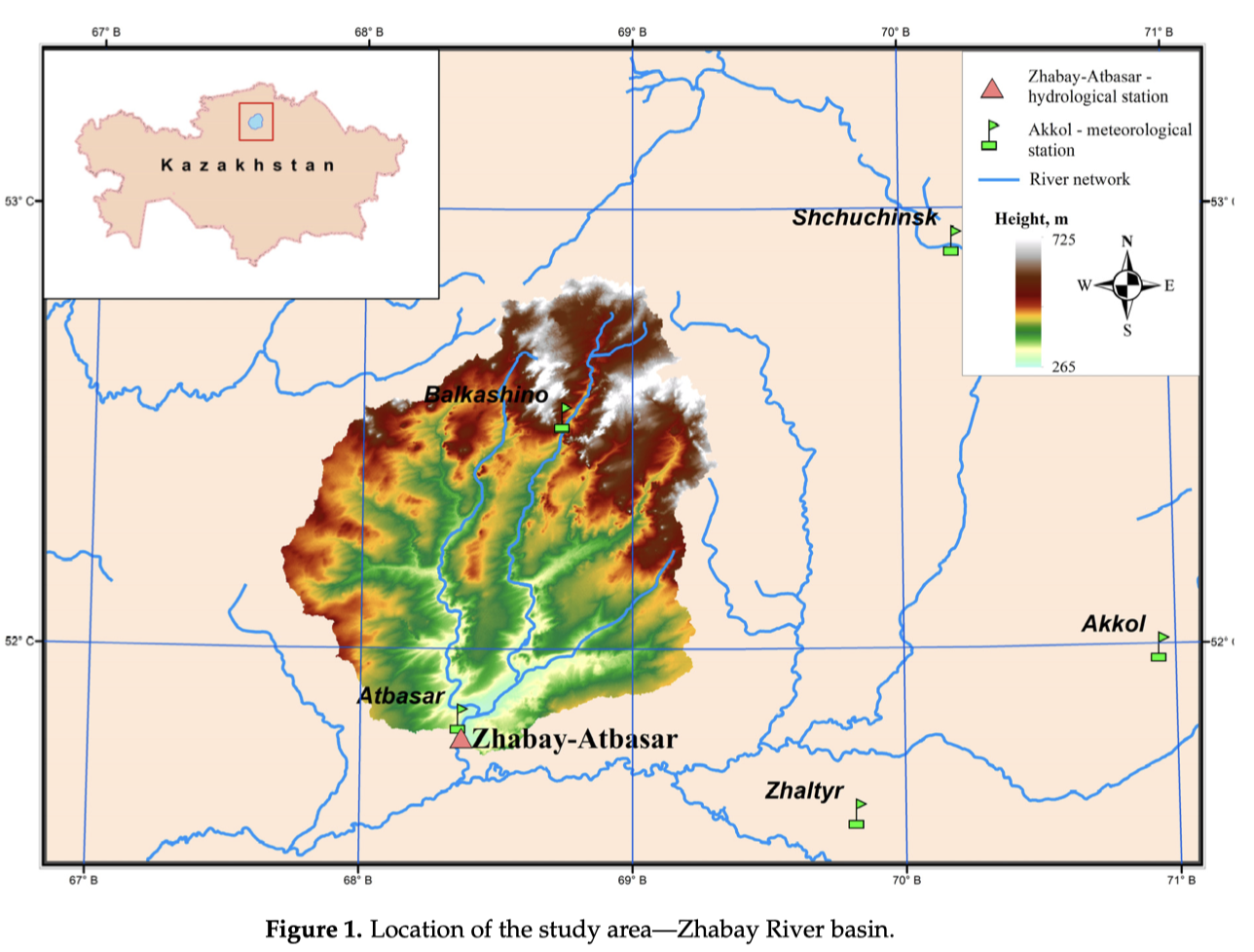
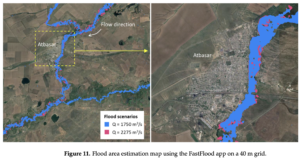
A new research paper, “Flood Modelling of the Zhabay River Basin Under Climate Change Conditions” has been published in the JCR and Scopus-indexed HYDROLOGY journal. The full version of the manuscript can be downloaded for free here.

This work has been leaded by Aliya Nurbatsina (Institute of Geography and Water Security, Almaty, Kazakhstan), in cooperation with researchers from the Al Farabi Kazakh National University, and the Universitat Politècnica de València (Spain), among other institutions. This study applies the Soil and Water Integrated Model (SWIM) to project climate-driven changes in the hydrological regime of the Zhabay River.

The study employs a process-based, high-resolution hydrological model to simulate flood dynamics under future climate conditions.The outcomes of this study offer crucial insights for policymakers, hydrologists, and disaster management agencies in mitigating the adverse effects of climate-induced hydrological extremes in Kazakhstan.

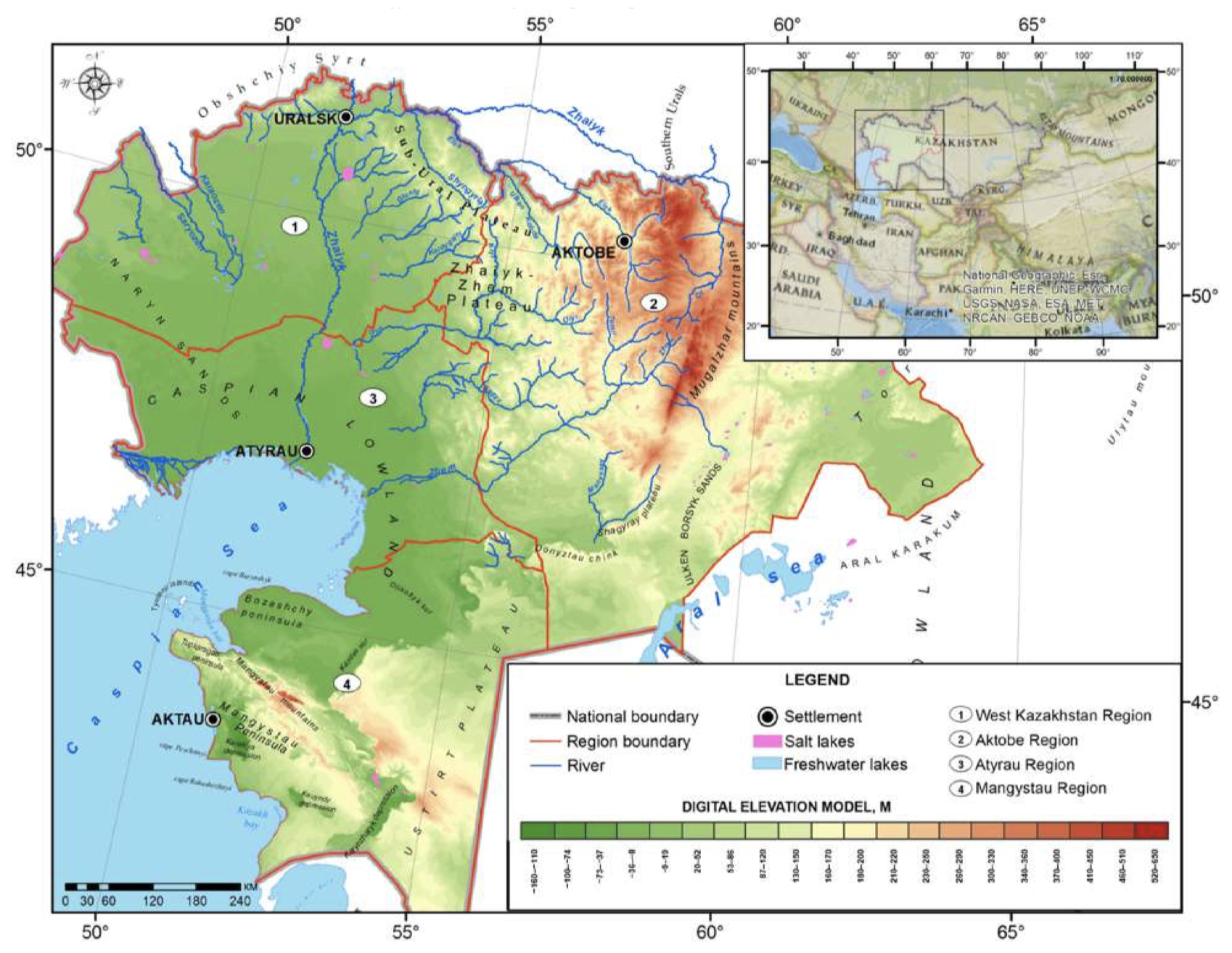
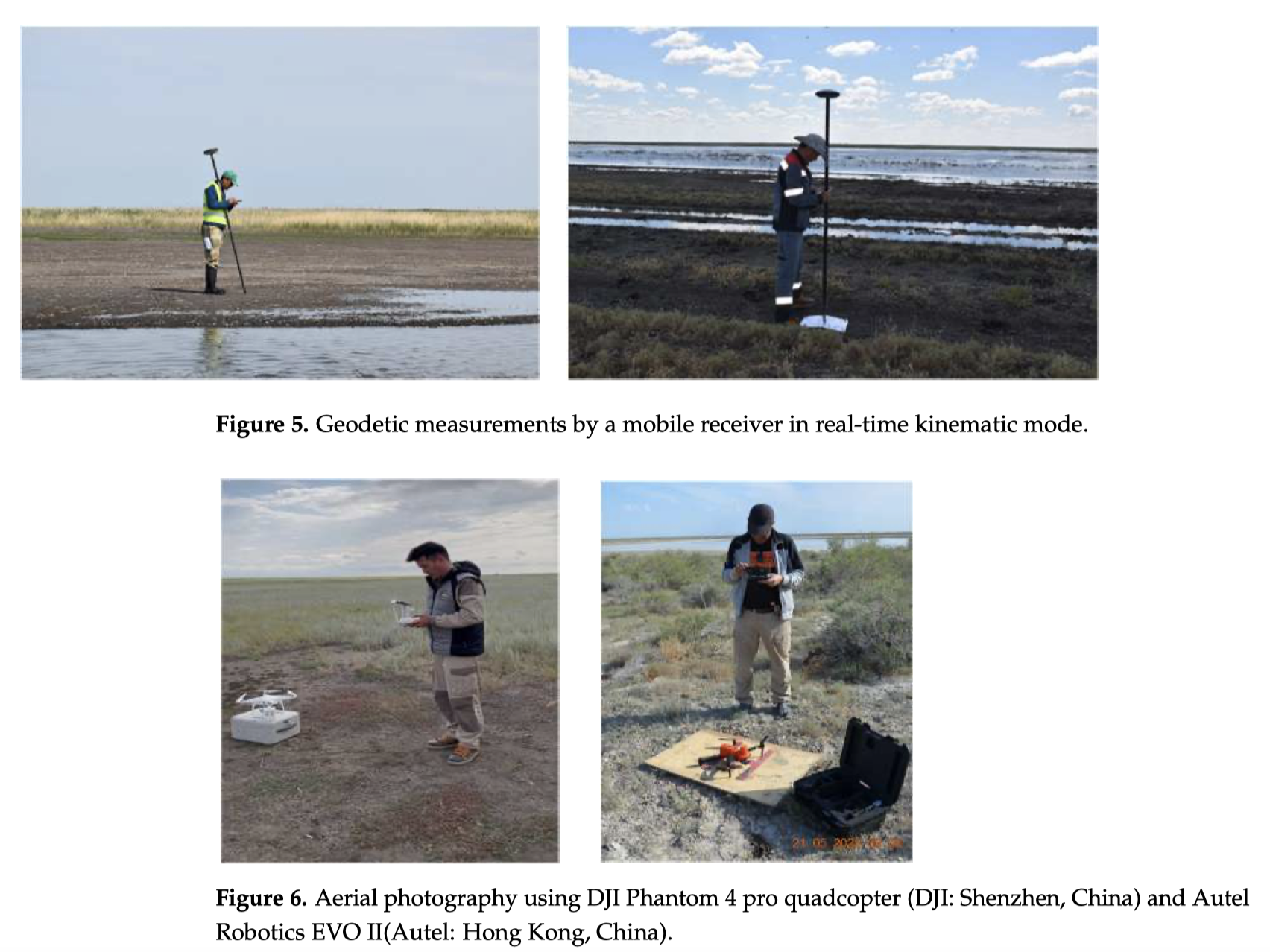
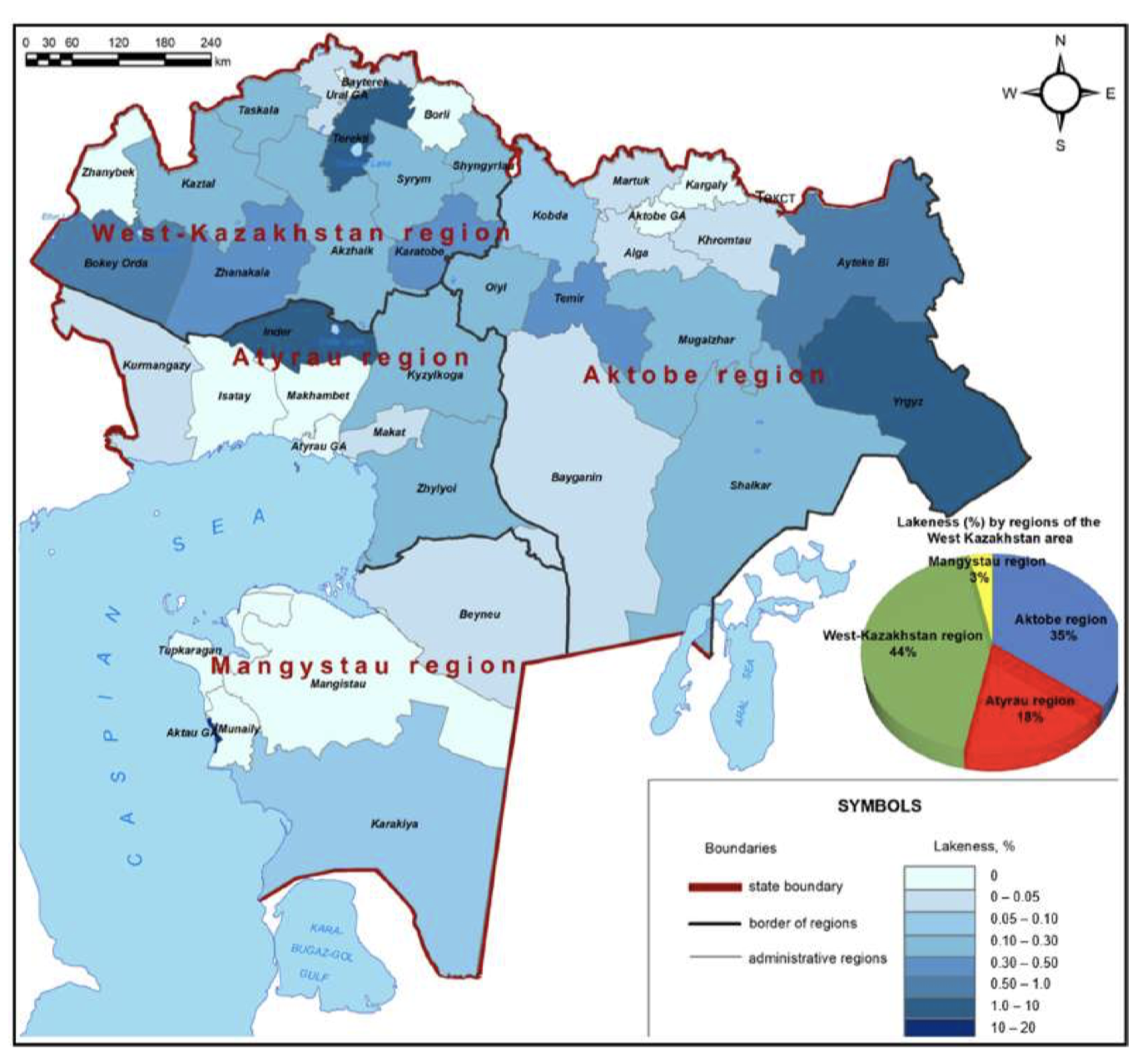
A new research paper, “Assessing the Vulnerability of Lakes in Western Kazakhstan to Climate Change and Anthropogenic Stressors” has been published in the JCR and Scopus-indexed Water journal. The full version of the manuscript can be downloaded for free here.

This work has been done in cooperation between researchers from the Institute of Geography and Water Security (Almaty, Kazakhstan) and the Universitat Politècnica de València (Spain). This study, employing cartographic and remote sensing techniques, identified 323 lakes in Western Kazakhstan, covering a total area of 1944 km2. Comparative analysis with historical data from the 1960s and 1970s revealed a 23% decrease in lakes exceeding 1 km2.

The most significant decline was observed in the Atyrau and Mangystau Regions, where the number of such lakes diminished by a factor of three. These findings highlight the pressing need for an integrated, interdisciplinary approach to water resource management in Western Kazakhstan.
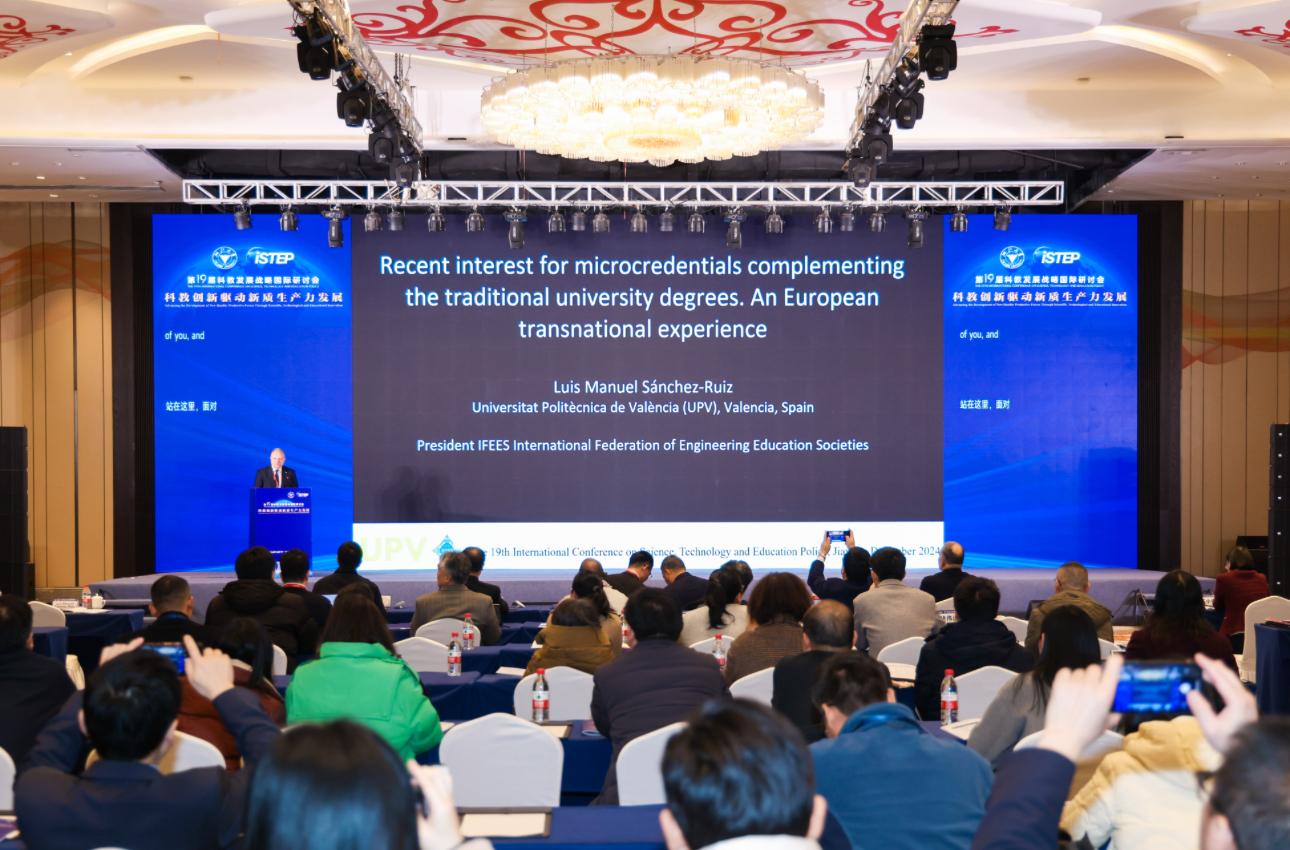
The objectives of LESLIE project have been introduced in the 19th International Conference on Science, Technology and Education Policy co-organized by Zheihang University, the Academy of Humanities and Social Sciences, Zheihang University, and the Engineering Education Committee of the China Association of Higher Education.

The conference was held in Jiaxing (China) between 12-19 December 2024, and included an oral presentation by Prof. Luis Manuel Sánchez Ruiz (Universitat Politècnica de València) entitled “Recent interest for microcredentials complementing the traditional university degrees. An European transnational experience”.

The objectives and activities developed so far by the participants of the LESLIE project in Central Asia were explained to the participants who showed a great interest in knowing actual experiences in the design and implementation of microcredentials in HE institutions.

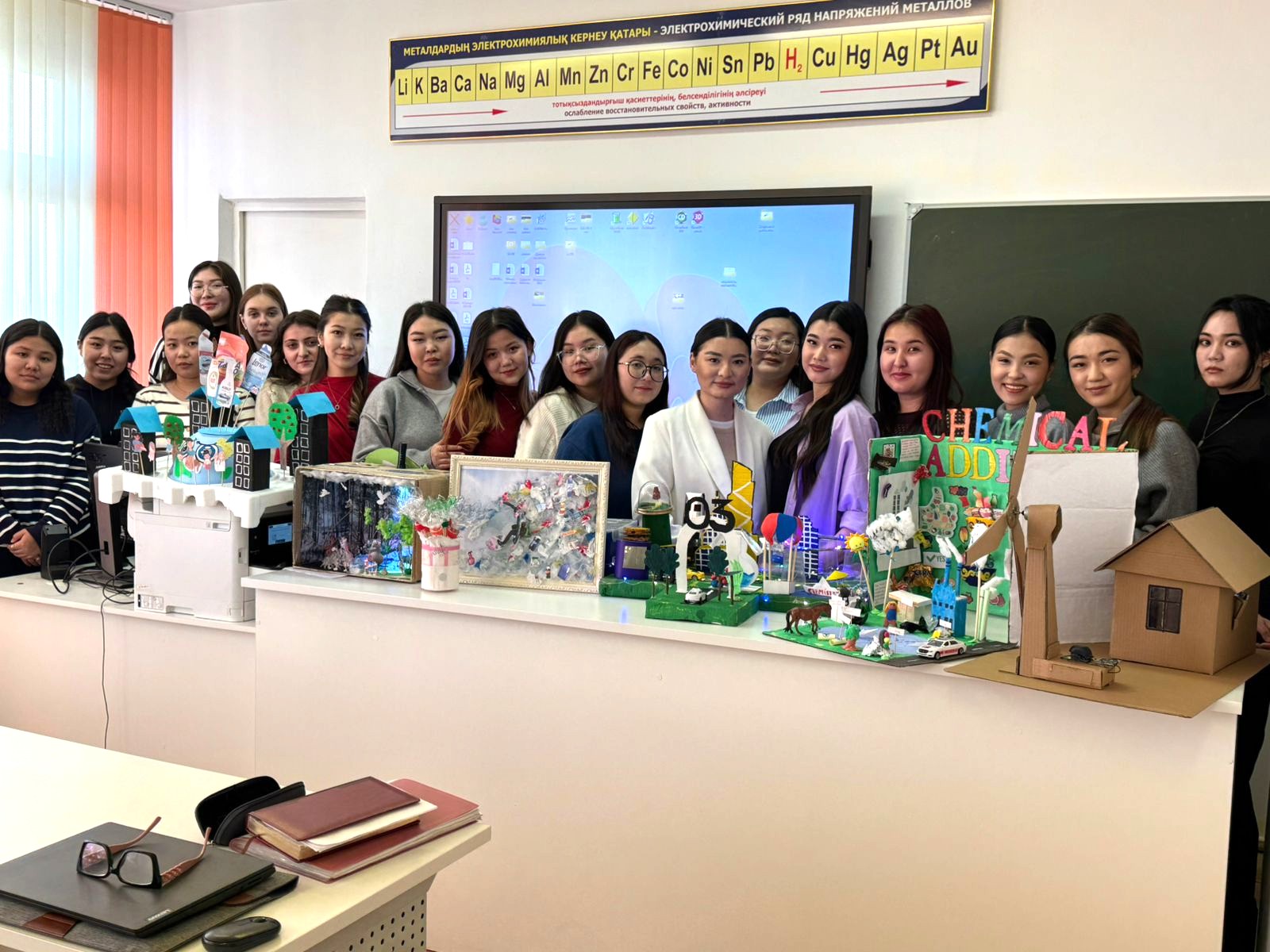
On the 18th of December at the Department of Chemistry and Biotechnology of Kokshetau Ualikhanov University hosted a vibrant event: LESLIE Day, bringing together faculty members, students, and participants of the project LAND MANAGEMENT, ENVIRONMENT & SOLID-WASTE: INSIDE EDUCATION AND BUSINESS IN CENTRAL ASIA.
During the event, the local coordinator, I.B. Ostretsova, gave a detailed presentation on the project’s goals and objectives, emphasizing its importance for sustainable development and environmental preservation.


Project participants N.N. Nurmukhanbetova and K.S. Evloeva shared their presentations, showcasing the work accomplished and the results achieved.
The highlight of the event was the students’ presentations of their models, offering innovative solutions to environmental problems on pre-assigned topics. Their creative approaches and enthusiasm were truly inspiring!
The students shared that participating in such events not only expands their knowledge but also motivates them to contribute to environmental protection and the development of eco-friendly technologies.


#LESLIE #Sustainabledevelopment #Innovation #Future

Prof. Alessandro Figus from the University of Cassino and Southern Lazio (Italy) led two seminars at Sh. Ualikhanov Kokshetau University to disseminate the objectives of the LESLIE project. Held on December 6, 2024, the workshops were attended by participants from the Faculty of Economy and the Department of Water Management.


During the seminars, Prof. Figus provided an in-depth overview of the LESLIE project, highlighting its primary goal of promoting sustainable land management practices. He also discussed the project’s specific objectives, such as developing innovative technologies, fostering international collaboration, and strengthening policy frameworks.

Furthermore, the seminars explored potential future actions and collaborations between the two universities. Participants were encouraged to actively engage with the LESLIE project and join the SLM International Hub, a global platform for knowledge sharing and networking.

If you are interested in joining the SLM International Hub, you can do it free of charge following this LINK. 

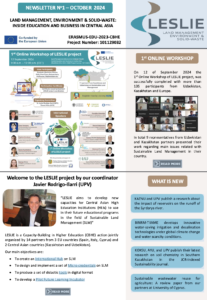
We are thrilled to announce that the first issue of the LESLIE Newsletter has been posted to the members of the SLM International Hub.


LESLIE Newsletter #01

Our Newsletter is your one-stop shop for staying informed about LESLIE. Here’s what you can expect in future issues:

  • Updates on ongoing projects and research
  • Upcoming events and workshops
  • Insights from leading experts in sustainable land management
  • Opportunities for collaboration and engagement

All newsletters will be archived on our website for your reference.

We’re excited to have you on board and look forward to connecting with you through this newsletter!

Do not forget to join the SLM International Hub for free here